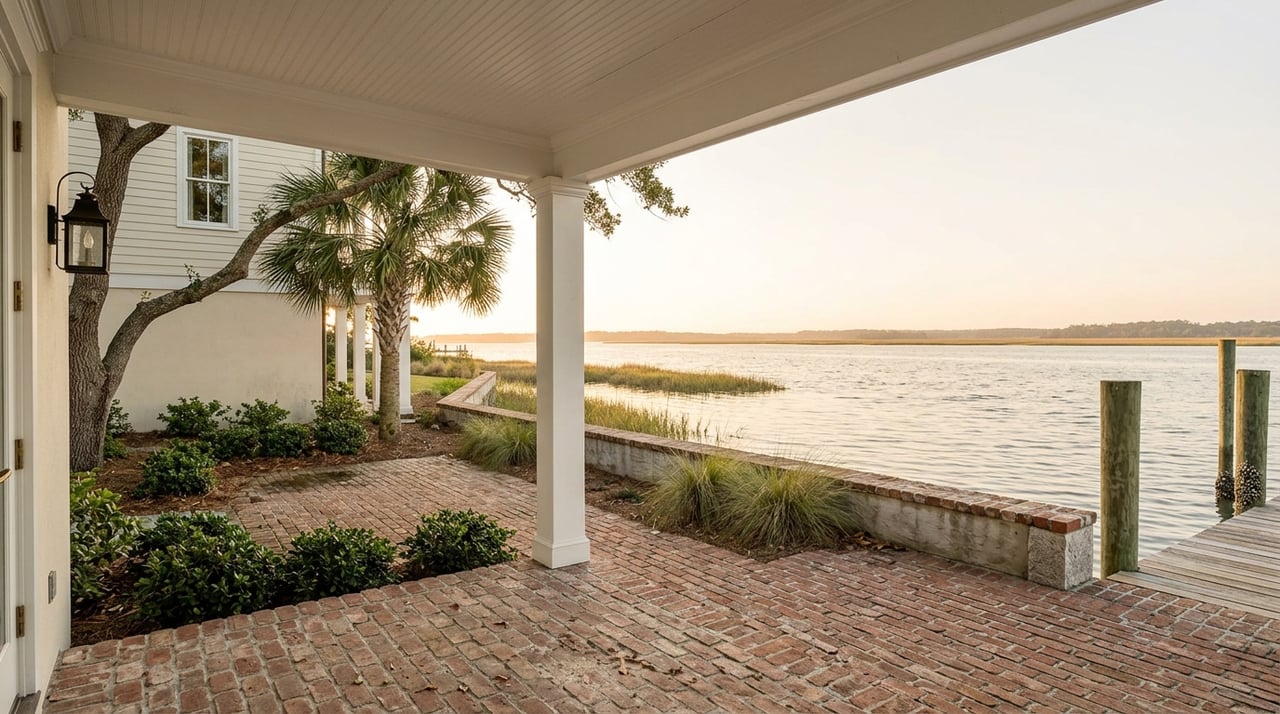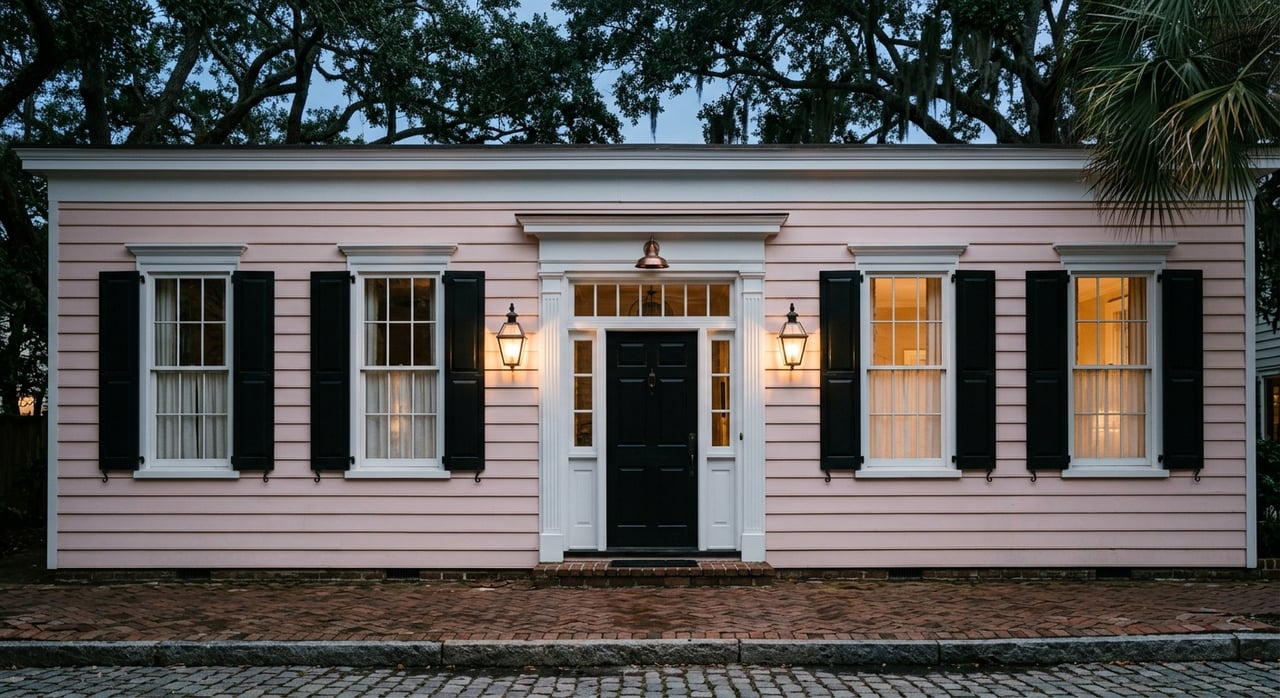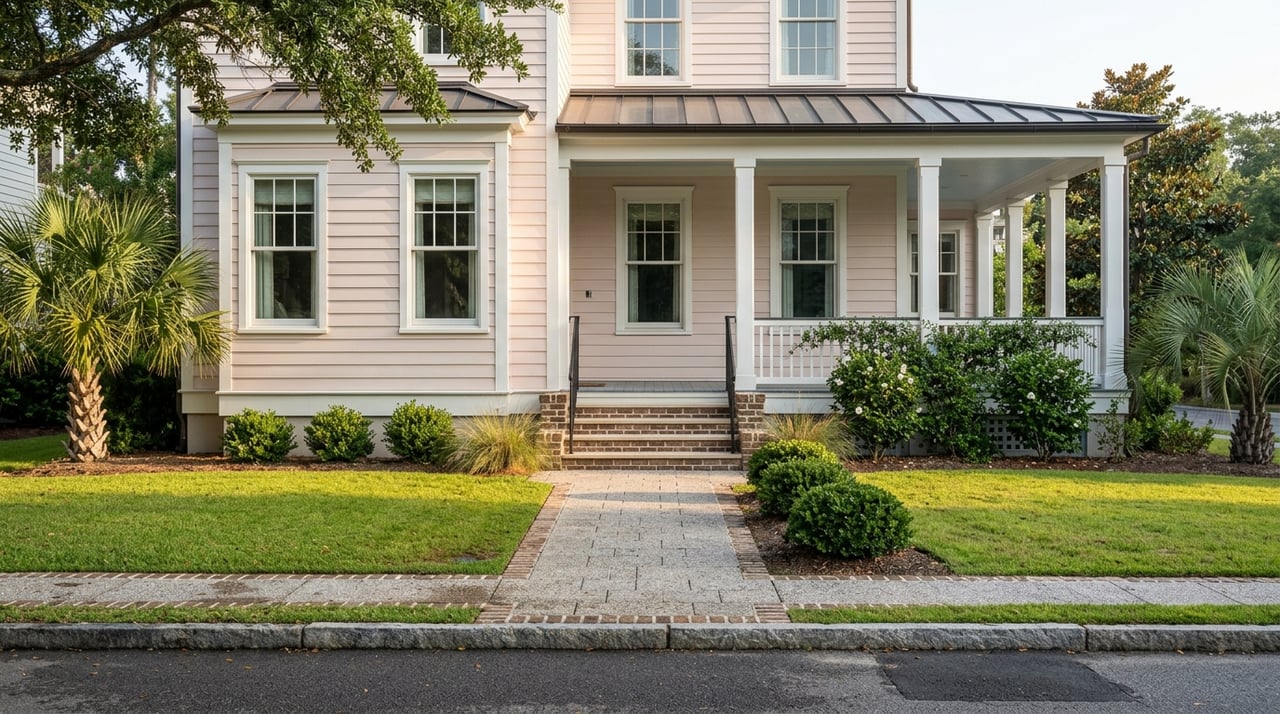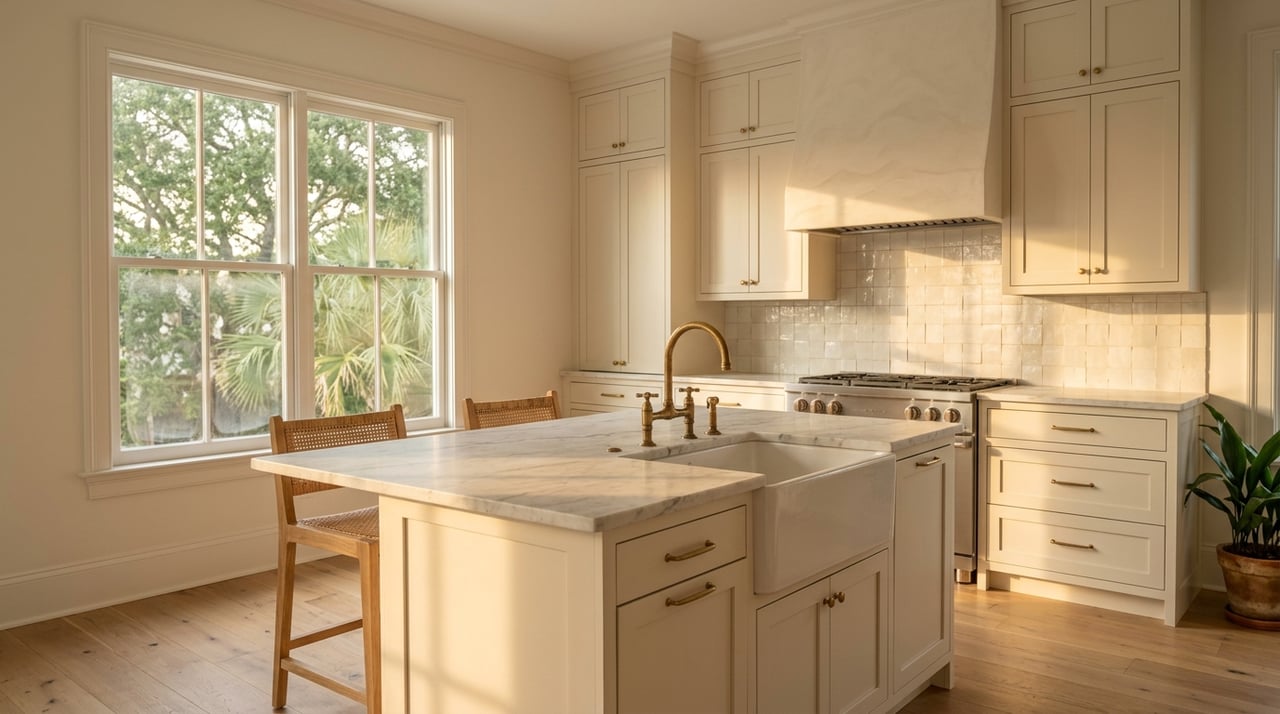
What makes a Charleston single house feel so timeless the moment you step onto the piazza? If you are drawn to the rhythm of tall windows, shaded porches, and narrow lots tucked into historic streets, you are not alone. Buying one of these homes blends romance with real-world details like flood risk, inspections, and preservation rules. In this guide, you will learn what defines the single house, why it was designed for Charleston’s climate, what to look for during due diligence, and how smart upgrades can protect both comfort and character. Let’s dive in.
What is a Charleston single house?
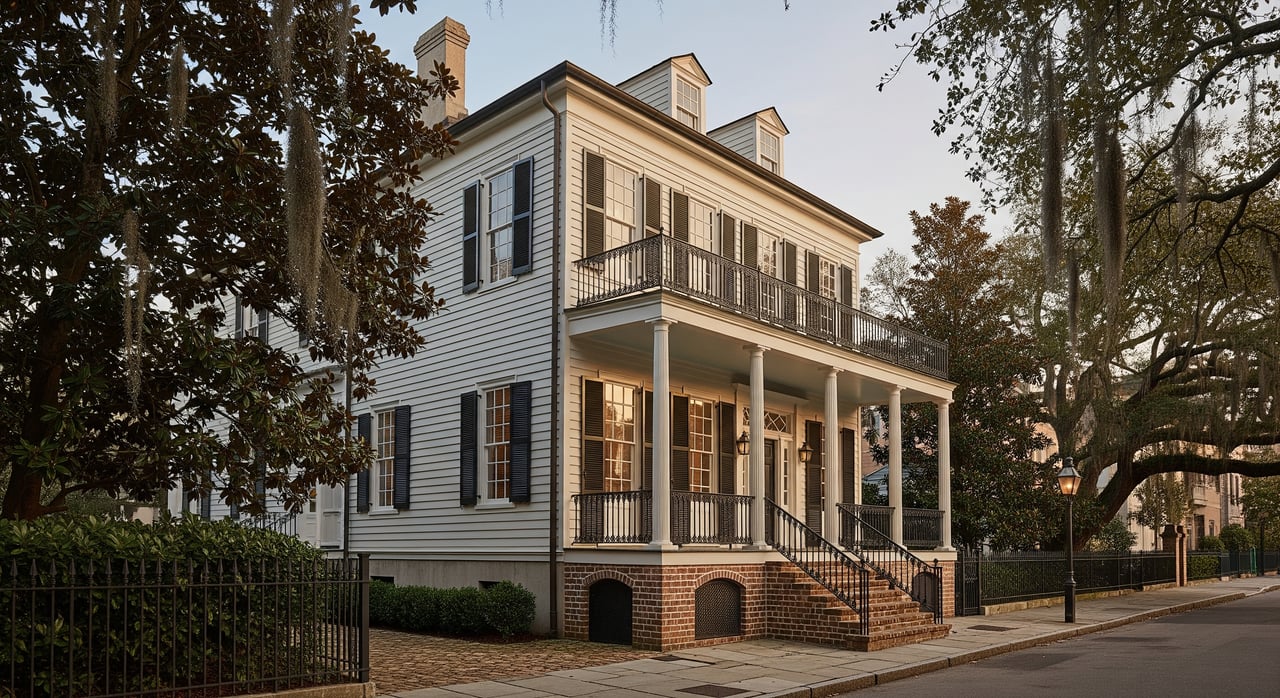
A Charleston single house is a historic home type that turns its long side to the lot and its narrow end to the street. Most have a multi-level side piazza that runs the length of the house and a main entry from that piazza rather than the street door. The form emerged in the 18th and 19th centuries to fit deep, narrow lots and to work with heat, humidity, and sea breezes.
For a broader overview, explore the Historic Charleston Foundation’s resources on preservation and local house types. You can also review the concise overview of the single house form in the widely cited Charleston single house article and see measured drawings and photos in the Historic American Buildings Survey collection.
Key exterior features
- Narrow street frontage: Often one room wide to the street, which creates a tall, elegant facade.
- Side piazzas: Multi-level porches typically run along the long side of the house. Many are placed on the south or west side to shade rooms and catch breezes.
- Elevated foundation: Brick piers or continuous masonry raise living space above grade to improve ventilation and reduce dampness.
- Traditional materials: Timber framing, longleaf heart pine floors, wood siding, and masonry chimneys. Roofs are usually side-gabled or hipped.
Interior layout basics
Rooms stack front to back, then repeat on upper floors. Many variants use a side hall for circulation, paired with narrow stairs and high ceilings. Tall windows and doors open toward the piazza for cross-ventilation. Expect original mantels, woodwork, and plaster in contributing historic homes.
Why the design fits Charleston
The single house evolved as a practical response to Charleston’s climate and urban fabric. Its slim plan promotes airflow from front to back. Shaded piazzas cut direct sun and give you a cooler outdoor room in summer. The elevated foundation helps keep moisture and pests at bay when maintained.
Cooling and ventilation
- Cross-breezes: Doors and windows align to move air through rooms.
- Deep shade: Piazzas protect long walls from heat gain.
- High ceilings: Hot air rises above where you live and gather.
Fit for narrow city lots
- Privacy on the street: A slim front reduces exposure.
- Outdoor living to the side: The piazza creates a semi-private space without adding bulk to the street.
- Efficient density: Narrow fronts allow more homes on deep lots.
What to inspect before buying
A single house rewards careful due diligence. Many have been lovingly maintained, while others need targeted upgrades. Plan for a thorough inspection process that respects historic fabric and local rules.
Space and layout considerations
- Proportions: Rooms are often long and narrow. Rear service areas can be compact.
- Circulation: Stacked rooms and tight stairs are common. Open-plan spaces usually reflect later renovations.
- Storage: Original closets are limited. Plan built-ins or furniture solutions.
- Light: Piazza side rooms enjoy great daylight. Center or rear rooms may be dimmer.
- Urban proximity: Homes sit close together. Expect typical city noise and sightlines.
Systems and structure
- Electrical: Older panels or wiring may need updates. Integrate new runs with care to avoid damage to plaster and trim.
- HVAC: Ducted systems can be hard to route. Many owners use mini-split units to preserve ceilings and floor framing.
- Plumbing: Historic lines may need replacement. Bathroom and kitchen upgrades should respect original circulation where possible.
- Moisture and pests: Charleston’s climate demands vigilance. Inspect for wood decay, mold, and termites.
- Foundations and structure: Review brick piers, sills, and joists for settlement or rot. Chimneys and flashing merit close attention.
Flood risk and coastal factors
Many parts of downtown Charleston sit within FEMA Special Flood Hazard Areas. Before you commit, review the FEMA Flood Map Service Center for the property’s flood zone and ask about past events, drainage, and elevation of mechanical systems. To understand broader sea level context, the NOAA Sea Level Rise Viewer provides useful visualization tools.
Historic status and approvals
If the property sits within a local historic district, exterior changes typically require review. Start early with the City of Charleston Board of Architectural Review to confirm what is allowed, how to apply, and timelines for permits. You can also consult the South Carolina Department of Archives and History for records and context.
A practical inspection checklist
- Confirm historic district status and whether the home is listed or contributing.
- Order a general home inspection, plus termite, moisture or infrared, roof and chimney, and electrical assessments.
- Evaluate HVAC options, including mini-splits, and insulation opportunities in the attic and crawlspace.
- Inspect piazzas, including columns, decking, railings, and flashing at the house connection.
- Check for prior flood indicators, mechanical elevations, and site drainage.
- Request renovation records, permits, and any Board of Architectural Review approvals.
Renovation and maintenance essentials
Owning a single house often means balancing preservation with comfort. The goal is to retain character while making smart, reversible upgrades.
Follow preservation standards
Local review boards often reference the Secretary of the Interior’s Standards for Rehabilitation. These guidelines favor repair of original materials over replacement. Review the Standards for Rehabilitation and the National Park Service Preservation Briefs before planning work.
Common upgrade strategies
- Mechanical, electrical, plumbing: Replace outdated wiring and panels. Consider mini-splits or carefully routed ductwork. Update plumbing lines and fixtures.
- Insulation and moisture control: Add attic insulation. Improve gutters and downspouts. Use vapor-permeable assemblies so walls can dry.
- Windows and doors: Repair historic sash when feasible with weatherstripping and reglazing. If replacement is necessary, match profiles and muntin patterns.
- Kitchens and baths: Many owners rework or relocate kitchens to rear ells for easier venting and plumbing access.
- Additions: Rear additions can add space when subordinate to the main house. Expect careful BAR review for size, scale, and materials.
- Piazzas: Maintain decking, columns, and balustrades. Enclosing a piazza is often discouraged or regulated.
- Foundations and structure: Repair sills, joists, and piers in-kind when required. Document existing conditions before you start.
Maintenance priorities
- Inspect roof, flashing, gutters, and downspouts regularly.
- Keep exterior woodwork and piazzas painted and protected.
- Schedule annual termite inspections and treat promptly if needed.
- Maintain positive drainage away from the house. Do not trap water against the foundation.
- Preserve ventilation in crawlspaces and attics. Elevate mechanicals above likely flood levels where possible.
Rules, permits, and insurance
In Charleston’s historic districts, exterior work usually requires BAR approval. Early conversations save time and reduce redesign risk. Start with the City of Charleston BAR guidance to understand thresholds for review and which documents you need.
If the home is in a flood zone, building permits and floodplain rules may affect elevation, materials, or how you handle substantial improvements after a storm. Confirm requirements with the city and review your FEMA flood zone. Insurance costs vary by location and home features, so consult local carriers early.
Is a single house right for you?
A Charleston single house offers character, shade, and airflow in a walkable urban setting. It also asks you to adapt to narrow rooms, stairs, and close neighbors. Smart upgrades can add comfort without erasing history, and a strong due diligence process will help you buy with confidence. Visit target homes at different times of day to gauge light, noise, and breezes, then prioritize a plan that honors both livability and preservation.
Ready to explore historic Charleston with a knowledgeable local advisor? Connect with Jack Huguley for tailored guidance on due diligence, renovation strategy, and neighborhood fit. Schedule a Free Consultation to move forward with clarity.
FAQs
What defines a Charleston single house in downtown Charleston?
- A narrow street front, a long side with multi-level piazzas, and a plan that is one room wide with rooms stacked front to back. The main entrance typically opens from the side piazza.
Are you allowed to enclose a piazza in Charleston historic districts?
- Enclosing a piazza is often discouraged or regulated. Exterior changes usually require review by the City of Charleston Board of Architectural Review, so confirm rules before you plan work.
How do buyers assess flood risk for historic Charleston homes?
- Start with the FEMA Flood Map Service Center for the property’s flood zone, look for signs of past flooding, and verify elevations for mechanicals and finishes. Insurance and permitting may be affected.
What HVAC options work best in a single house without major demolition?
- Many owners use ductless mini-split systems to preserve ceilings and floor framing. In some cases, carefully planned duct runs are possible, but they require thoughtful design to protect historic fabric.
Do historic windows in Charleston single houses need replacement for efficiency?
- Often no. Many historic sash can be repaired, weatherstripped, and reglazed for improved performance. Replacement is a last resort and should match historic profiles when required.
What inspections should relocation buyers order for a Charleston single house?
- In addition to a general home inspection, order termite, moisture or infrared, roof and chimney, and electrical evaluations. Verify historic status, BAR approvals, and past permits before closing.