Torn between cobblestone streets and coastal suburban ease? You are not alone. Many Charleston buyers weigh Downtown’s historic charm against Mount Pleasant’s space and convenience. In this guide, you will compare lifestyle, housing, commute habits, boating access, and everyday living so you can choose with confidence. Let’s dive in.
Big-picture differences
Downtown Charleston (the Peninsula)
- Compact, walkable neighborhoods with historic architecture and mixed uses.
- Dense streets, smaller lots, and strong preservation rules.
- Short commutes to downtown employers, robust dining and cultural life.
Mount Pleasant
- Suburban pattern with planned communities, waterfront areas, and larger yards.
- Neighborhood amenities like pools, parks, and clubhouses are common.
- Easier vehicle parking and garage life, with walkable pockets in select areas.
Housing and ownership
Home types and character
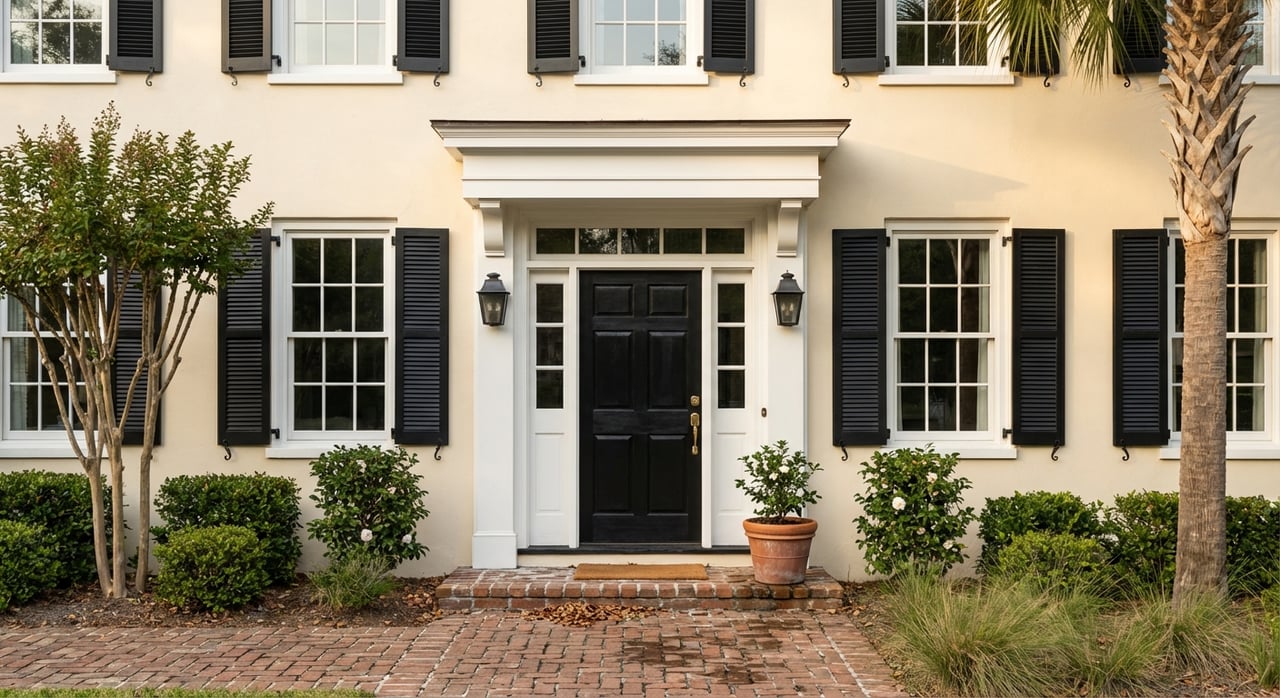
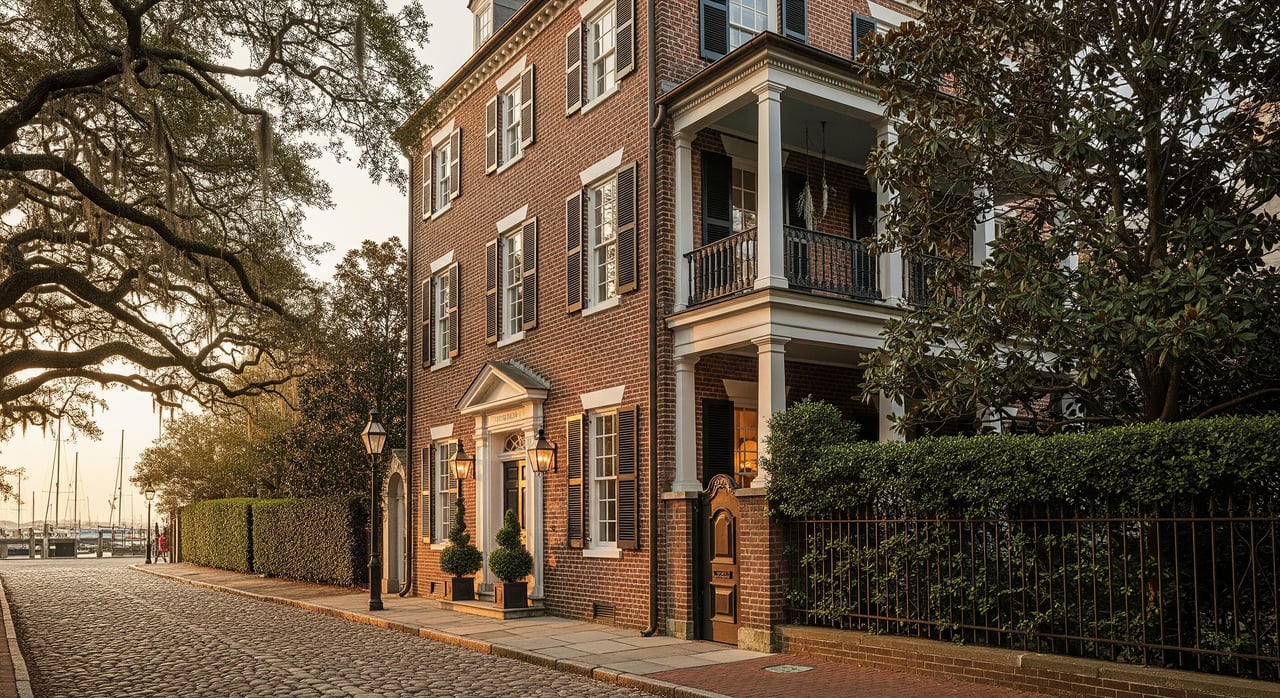
- Downtown: Historic townhouses, classic rowhomes, condos in repurposed buildings, and small single-family homes. Many properties date to the 19th and early 20th centuries.
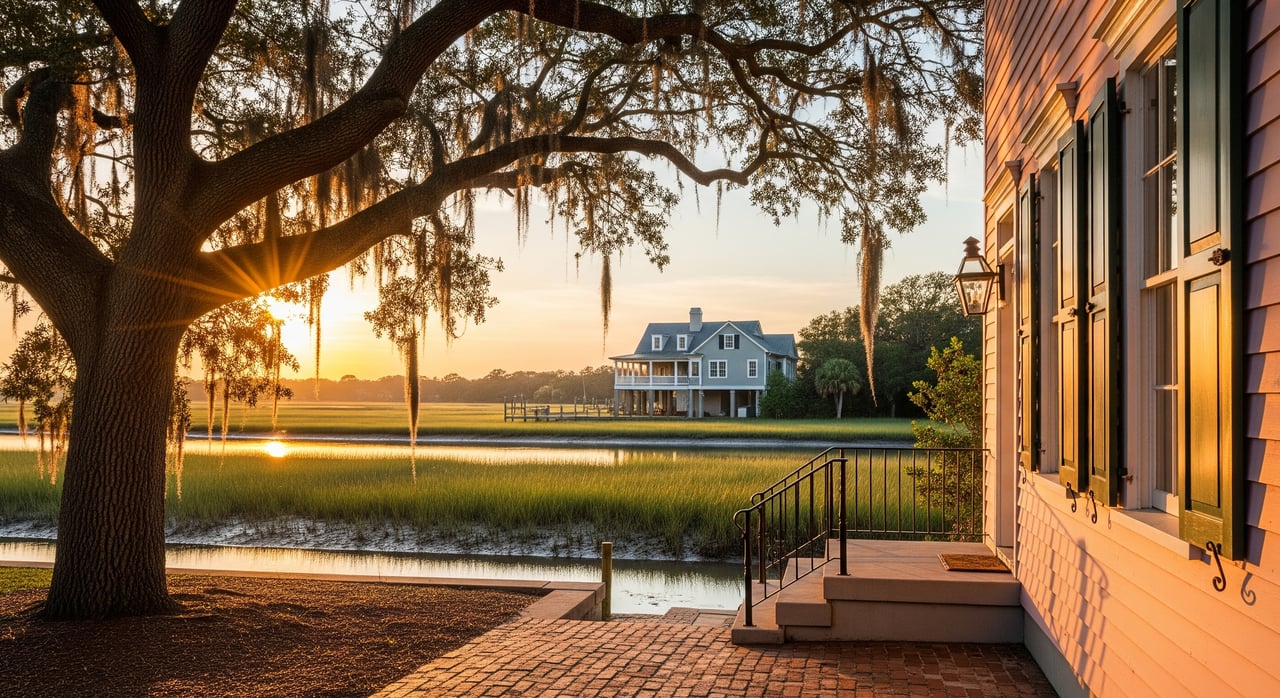
- Mount Pleasant: Newer single-family homes, townhomes, and condos across planned communities, plus waterfront estates and traditional Lowcountry designs on larger lots.
Pricing patterns and competition
- Downtown’s historic fabric and central location often command a premium per square foot.
- Mount Pleasant’s waterfront and top neighborhood amenities also drive higher prices in select areas.
- Inventory varies by micro-area. Newer floor plans and garages in Mount Pleasant can add value; unique historic features drive Downtown demand.
Renovation, rules, and HOAs
- Downtown: Many properties fall under preservation review for exterior changes. Expect specific guidelines for materials, additions, and facades. Interior work is often more flexible, but confirm requirements.
- Mount Pleasant: Zoning and architectural review apply in some areas, especially within HOAs and historic pockets like Old Village. Rules vary by neighborhood.
Insurance and maintenance
- Both areas include FEMA flood zones. Lenders typically require flood insurance for homes in Special Flood Hazard Areas.
- Historic homes may need more maintenance and specialized contractors. In Mount Pleasant, HOA rules can touch paint colors, fencing, and boat or trailer storage.
Daily life and amenities
Walkability and dining
- Downtown: Highest walkability with restaurants, galleries, live music, and museums steps away. Limited private yards, but parks and waterfront promenades fill the gap.
- Mount Pleasant: Daily errands are often car-based, though areas like Old Village, Shem Creek, and I’On offer strong walkability to local retail and dining.
Schools and family services
- Mount Pleasant: Many families choose it for access to neighborhood schools and recreation programs. Confirm current school assignments and review state report cards before you decide.
- Downtown: Fewer neighborhood K–12 public schools within the compact historic area. Many families consider magnet programs, private options, or schools outside the immediate Peninsula.
Healthcare and groceries
- Both areas have access to hospitals, clinics, pharmacies, and urgent care. Downtown offers immediate proximity to medical offices. Mount Pleasant features larger supermarkets and big-box retail near neighborhoods.
Parks and recreation
- Downtown: Historic parks like the Battery and Waterfront Park, plus small neighborhood greens.
- Mount Pleasant: More neighborhood parks, playing fields, community pools, and direct access to marshes and creeks.
Commute and transportation
Bridge and drive patterns
- The Arthur Ravenel Jr. Bridge links Mount Pleasant to Downtown and carries most peak travel. Expect heavier traffic during morning and evening rush hours, tourism peaks, and event days.
- Secondary routes and I‑526 help, but the bridge remains the primary choke point.
Parking
- Downtown: On-street permits and paid garages are common. Parking can be limited near nightlife and busy corridors.
- Mount Pleasant: Most homes provide driveways and neighborhood street parking. Popular spots like Shem Creek can be busy at peak times.
Transit options
- CARTA operates bus routes across the metro, including connections between Mount Pleasant and Downtown. Frequency varies by route and time of day. Check schedules before you plan a regular commute.
Boating and water access
Downtown harbor access
- Direct access to Charleston Harbor with public and private marina slips. Availability can be limited and in demand. Ideal for quick harbor outings and access to nearby barrier islands.
Mount Pleasant marinas and docks
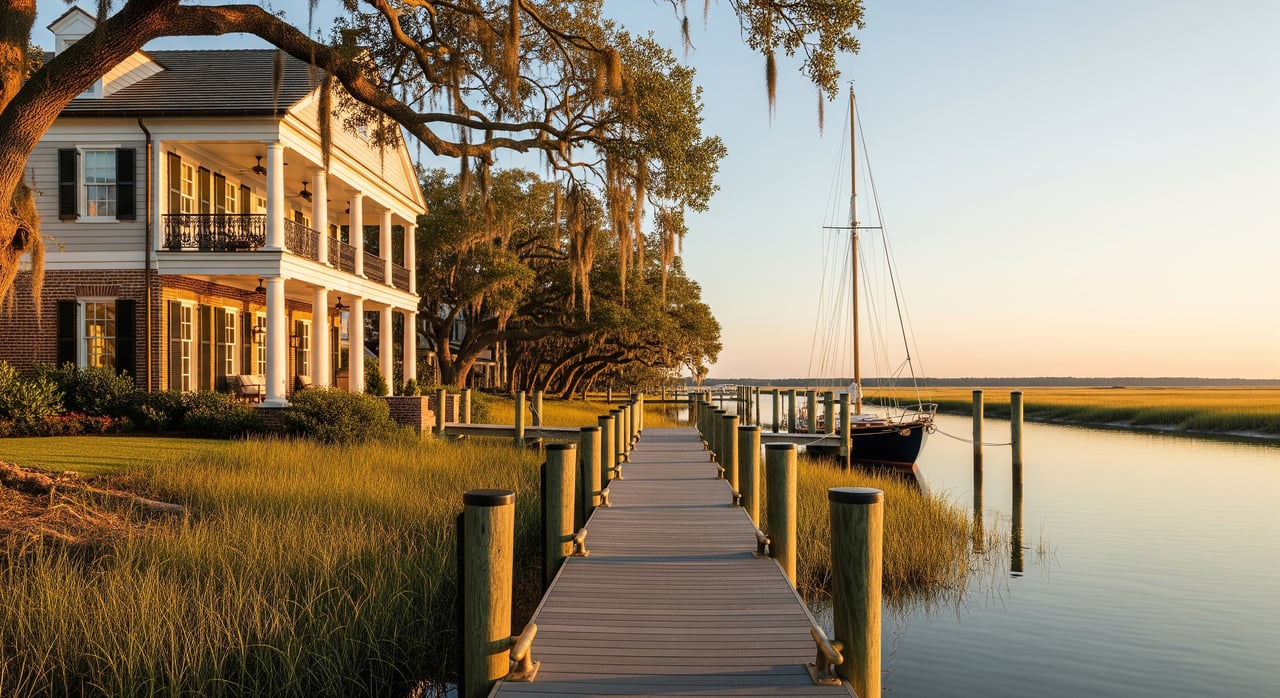
- Strong boating infrastructure around Shem Creek, Patriots Point, and the Intracoastal Waterway. Many communities offer easy marina access or private dock opportunities.
What boaters should know
- Consider tidal depths, slip availability, HOA or dock permitting, and vessel size. Plan for saltwater maintenance and storm preparation in both areas.
Flood, insurance, and resilience
Flood zones and planning
- Both the Peninsula and many Mount Pleasant neighborhoods are low-lying with tidal and storm-surge exposure. Review FEMA flood maps and local floodplain resources at the parcel level before you write an offer.
Insurance and mitigation
- If a home is in a Special Flood Hazard Area, lenders typically require flood insurance. Elevation, pilings, raised mechanicals, and drainage projects can influence costs and comfort. Factor inspections and insurance quotes into your timeline early.
Micro-area matches
Use these suggestions as a starting point for tours and deeper research.
For walkable nightlife and historic architecture with the shortest Downtown commutes:
- Downtown micro-areas: Historic District, French Quarter, Harleston Village, Ansonborough, Cannonborough‑Elliotborough.
For a compact condo with marina proximity and easy access to harbor amenities:
- Downtown and select near‑harbor condo buildings; also consider nearby island or Daniel Island options for a condo lifestyle with water access.
For larger yards, neighborhood clubs, and access to public schools:
- Mount Pleasant micro-areas: Park West, Rivertowne, Dunes West, Belle Hall, and Old Village. Confirm current school zoning and program options.
For boating, waterfront dining, and fast marina access:
- Mount Pleasant micro-areas: Shem Creek, Patriots Point area, Rivertowne, and other waterfront subdivisions. Downtown slips are available but more limited.
For village-style walkability with newer construction and a neighborhood feel:
- Mount Pleasant: I’On, Old Village, and select mixed-use communities.
For historic charm with a more residential vibe on the Peninsula:
- Cannonborough‑Elliotborough, Wagener Terrace, and quieter pockets of Harleston Village.
Decision checklist
Prioritize what matters most, then match to areas that fit.
Commute priority to Downtown employment
- Downtown historic core, Harleston Village, Ansonborough, Cannonborough‑Elliotborough.
Walkability to dining and culture
- Downtown core neighborhoods; in Mount Pleasant, Old Village, Shem Creek, and I’On.
Larger yard and garage life
- Mount Pleasant planned communities and waterfront subdivisions.
Boating as a weekly routine
- Mount Pleasant near Shem Creek, Patriots Point, and Intracoastal corridors; Downtown for harbor access with limited residential dock options.
Flexibility for renovations and newer systems
- Many Mount Pleasant communities offer newer construction and fewer historic constraints. Downtown homes often have preservation review for exteriors.
Comfort with flood risk and insurance complexity
- Review parcel-level flood maps and obtain quotes early in both areas. Consider elevation and mitigation features.
How to choose your fit
Start with your daily rhythm. If you want to step out your door to galleries, restaurants, and a five-minute trip to downtown offices, the Peninsula’s walkability and historic character may feel like home. If you value a yard, neighborhood amenities, and easier parking while keeping a reasonable bridge commute, Mount Pleasant delivers a balanced suburban coastal lifestyle.
When you are ready to refine options, tour at rush hour, visit marinas, and confirm school assignments and HOA rules before you commit. For tailored guidance and a strategy that fits your goals, connect with Jack Huguley for a local, senior-level perspective.
FAQs
How do Downtown Charleston and Mount Pleasant lifestyles differ?
- Downtown emphasizes walkability, historic architecture, and cultural access, while Mount Pleasant offers larger yards, neighborhood amenities, and car-friendly convenience.
What should I know about commuting over the Ravenel Bridge?
- It is the main link between Mount Pleasant and Downtown. Expect peak-hour congestion and heavier traffic during tourism season and events; test-drive routes at commute times.
Where is the most walkable dining and nightlife in the Charleston area?
- The Peninsula concentrates the most restaurants, live music, and galleries within a short walk. In Mount Pleasant, Old Village, Shem Creek, and I’On provide smaller walkable hubs.
How should families evaluate public school access in Mount Pleasant?
- Many families choose Mount Pleasant for neighborhood schools and recreation. Always confirm current zoning and review state report cards before deciding.
How do flood zones affect buying in Downtown Charleston or Mount Pleasant?
- Both areas include low-lying properties. Check FEMA flood maps, verify elevation, and obtain flood insurance quotes early to understand costs and mitigation options.
What are the renovation rules for historic homes on the Peninsula?
- Many exterior changes in the Historic District require design review. Plan for timelines, approved materials, and preservation standards when budgeting and scheduling.
How do HOA rules in Mount Pleasant shape daily life?
- HOAs commonly guide exterior changes, fencing, and boat or trailer storage. Review covenants, fees, and architectural guidelines before making an offer.
What should boat owners consider when choosing a location?
- Mount Pleasant generally offers more community docks and marina options. Downtown provides fast harbor access but with more limited slip availability and potential waitlists.