Imagine stepping out your front door to tree-shaded streets, a quick walk for coffee, and a sunset stroll along the harbor. If you’re drawn to history, walkability and a lively dining scene, the historic heart of Charleston might fit your lifestyle. You also want the facts on renovation rules, flood risk and everyday logistics before you commit. This guide breaks down how life really works on the peninsula and what to know if you plan to buy. Let’s dive in.
What “historic Charleston” means
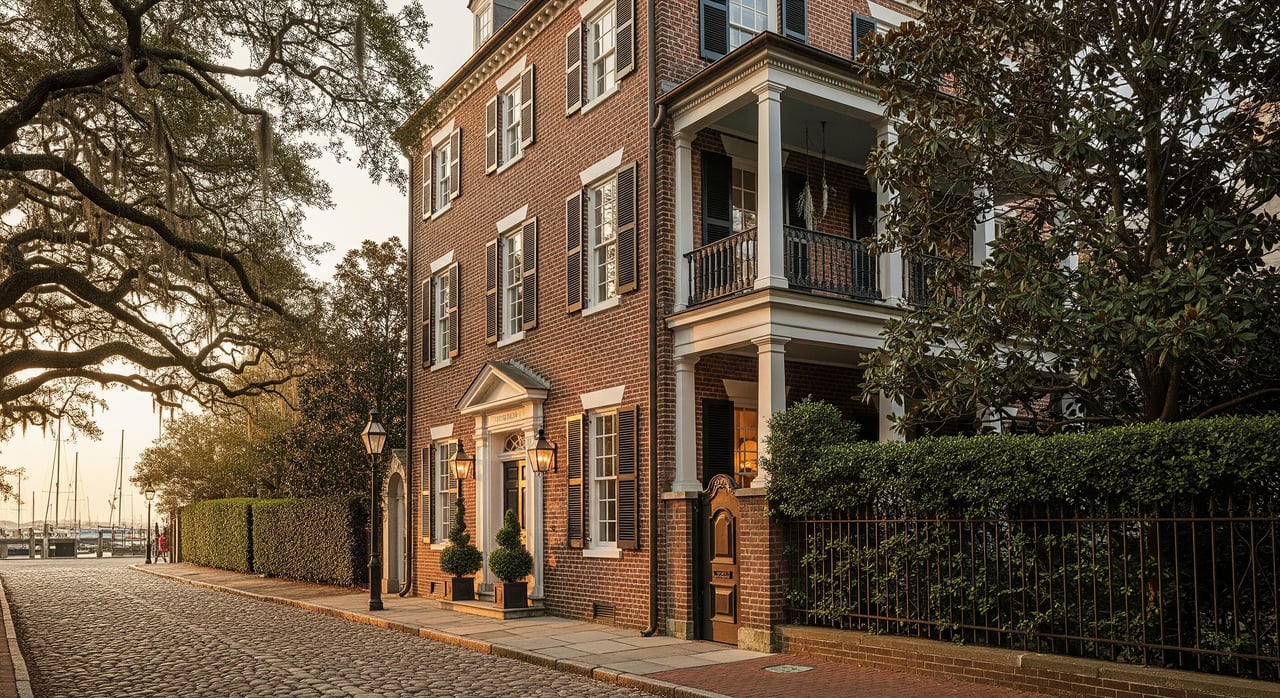
Historic Charleston generally refers to the peninsula’s Old and Historic District and surrounding in-town neighborhoods. You’ll find South of Broad, the French Quarter, Ansonborough, Harleston Village, Cannonborough–Elliottborough and the East Side within a short walk or bike ride. Streets are narrow and pedestrian friendly with small blocks, pocket parks and preserved 18th and 19th century architecture. King Street and Market Street anchor dining and shopping, while the waterfront and parks offer daily escapes.
Neighborhoods at a glance
South of Broad
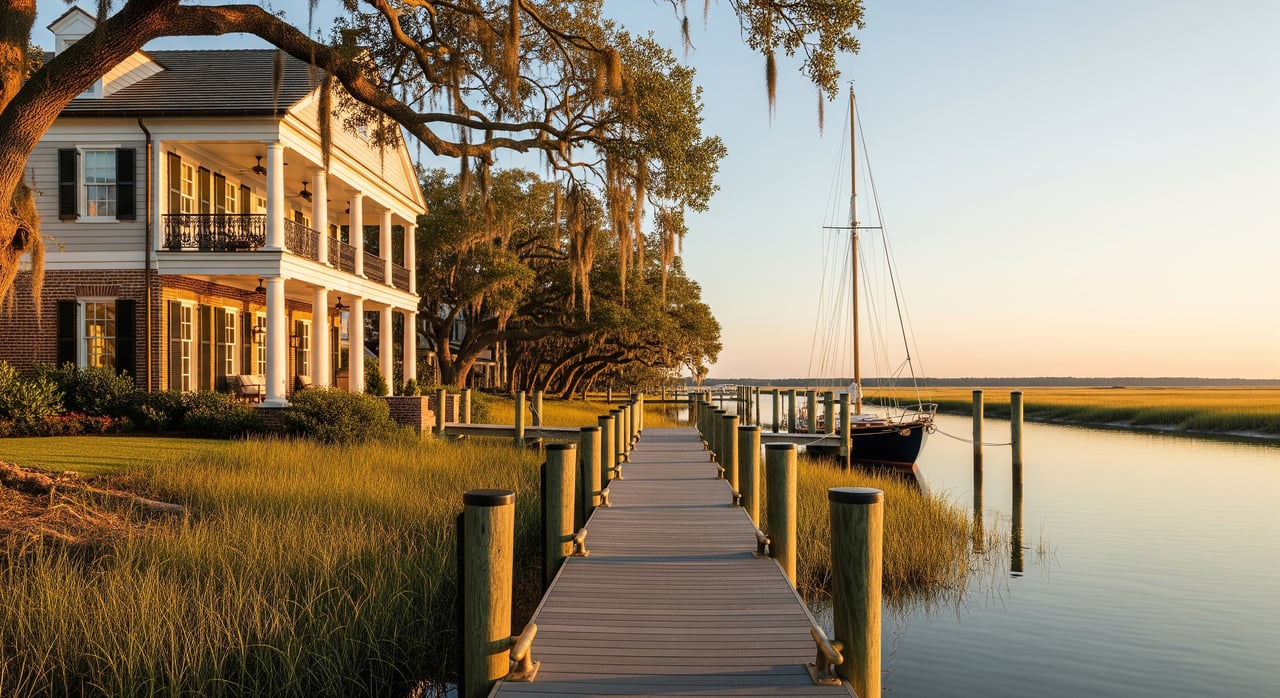
Leafy streets, historic homes and waterfront views define this southern tip of the peninsula. You’ll be close to White Point Garden and the Battery for evening walks. It feels residential even with steady visitor interest nearby.
French Quarter and Ansonborough
These historic areas offer art galleries, house museums and quick access to dining and theaters. You can walk to Waterfront Park and the harbor within minutes. Expect a mix of residences and boutique commercial spaces.
Harleston Village
Centered on Colonial Lake, this area blends classic homes with college energy. It sits between the Medical University of South Carolina and the College of Charleston. Daily errands and dining are often a short stroll.
Cannonborough–Elliottborough and East Side
These neighborhoods balance historic character with a growing food scene. Housing types vary from singles to rowhouses and renovated cottages. You’ll find a lively daytime rhythm and late activity near popular corridors.
Housing and architecture
Charleston single house
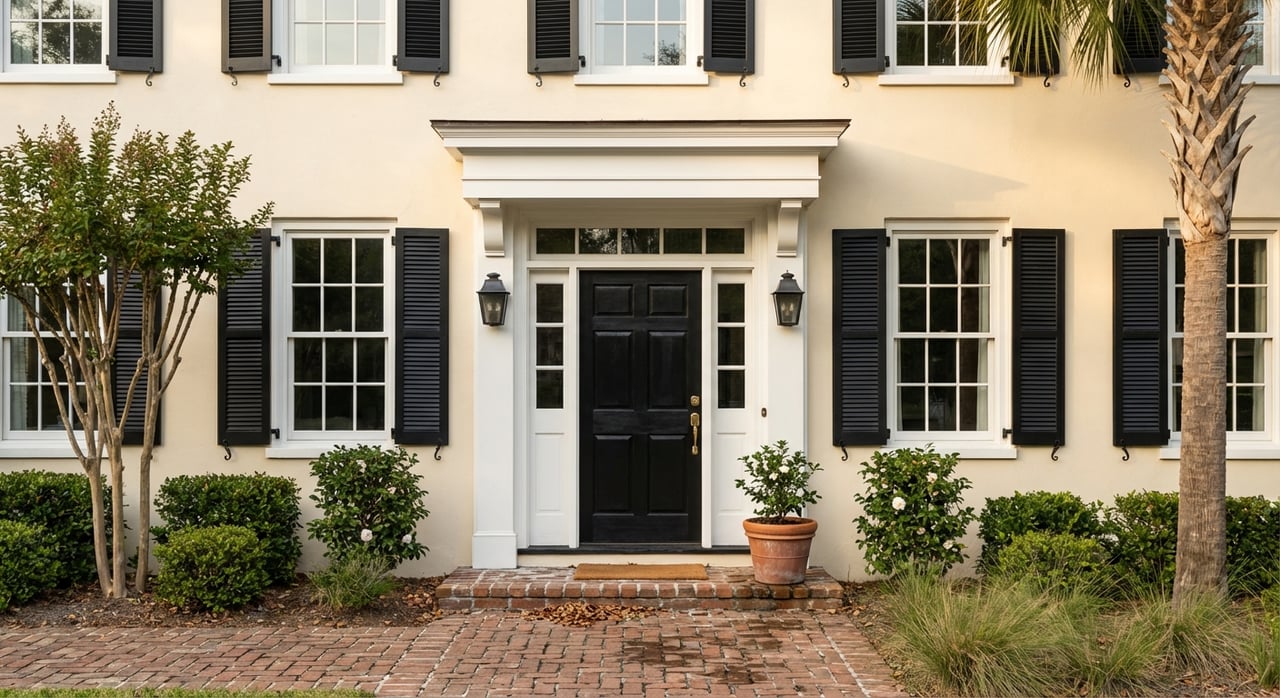
The classic single house faces narrow to the street with long, side porches called piazzas. The design captures breezes and fits the city’s tight lots. You’ll also see double houses, townhomes, carriage houses and converted commercial buildings.
Historic features to expect
Raised foundations, weatherboard siding, decorative cornices and mature trees are common. Interiors can include irregular rooms, smaller kitchens and older mechanical systems. Many homes have been updated, but finishes and systems vary by property.
Renovation and maintenance realities
Older homes often need more frequent painting, wood repair and moisture control. Termite treatment, structural checks and HVAC upgrades are common projects. Plan for higher renovation budgets and timelines when work involves historic materials and methods.
Preservation and approvals
BAR basics
Exterior changes within the Old and Historic District are reviewed by the City’s Board of Architectural Review. The process can shape materials, scale and design details that are visible from public ways. Start by reviewing the City’s Planning, Preservation and Sustainability resources to understand scope and process.
- Learn more at the City’s Planning, Preservation and Sustainability department page: City of Charleston Planning, Preservation and Sustainability
Timelines and design planning
Major exterior work can require drawings, materials lists and a public hearing. Interiors usually face fewer restrictions unless they affect the exterior. Work with architects and contractors who have experience navigating BAR for smoother approvals.
Incentives and grants
Federal historic rehabilitation tax credits focus on income-producing properties. Local and state programs may be available at times. Check current options with the Historic Charleston Foundation and city planning staff.
Getting around the peninsula
Walking and biking are often the fastest ways to run errands and get to work or class. Bus service operates through the Charleston Area Regional Transportation Authority, with routes that connect key destinations. Coverage is more limited than large metro systems, so many residents combine walking, rideshares and short car trips.
- Plan routes with CARTA
Parking can be tight on narrow streets. Some blocks have resident permit rules and metered spaces. If you commute off-peninsula, test your route across bridges and confirm parking at your destination.
Daily life: food, culture and parks
Charleston’s dining scene draws national attention, from historic taverns to acclaimed restaurants and neighborhood cafés. Festivals, parades and gallery nights bring energy to King Street and the French Quarter. Quiet residential streets sit just a few blocks from the action.
- Explore the city’s flagship arts festival at Spoleto Festival USA
- Visit the Gibbes Museum of Art and the Charleston Museum
For fresh air, you can walk to Waterfront Park, White Point Garden and Colonial Lake. Beaches like Folly Beach, Sullivan’s Island and Isle of Palms are an easy day trip by car. Morning and evening walks are part of daily life for many residents.
Practical buyer guide
Cost and market factors
Historic homes on the peninsula often command a premium for location, character and walkability. Price and resale value depend on size, condition, preservation status and proximity to waterfront or busy corridors. If you plan to rent, review local rules for short-term and long-term rentals before you buy.
Flood risk and insurance
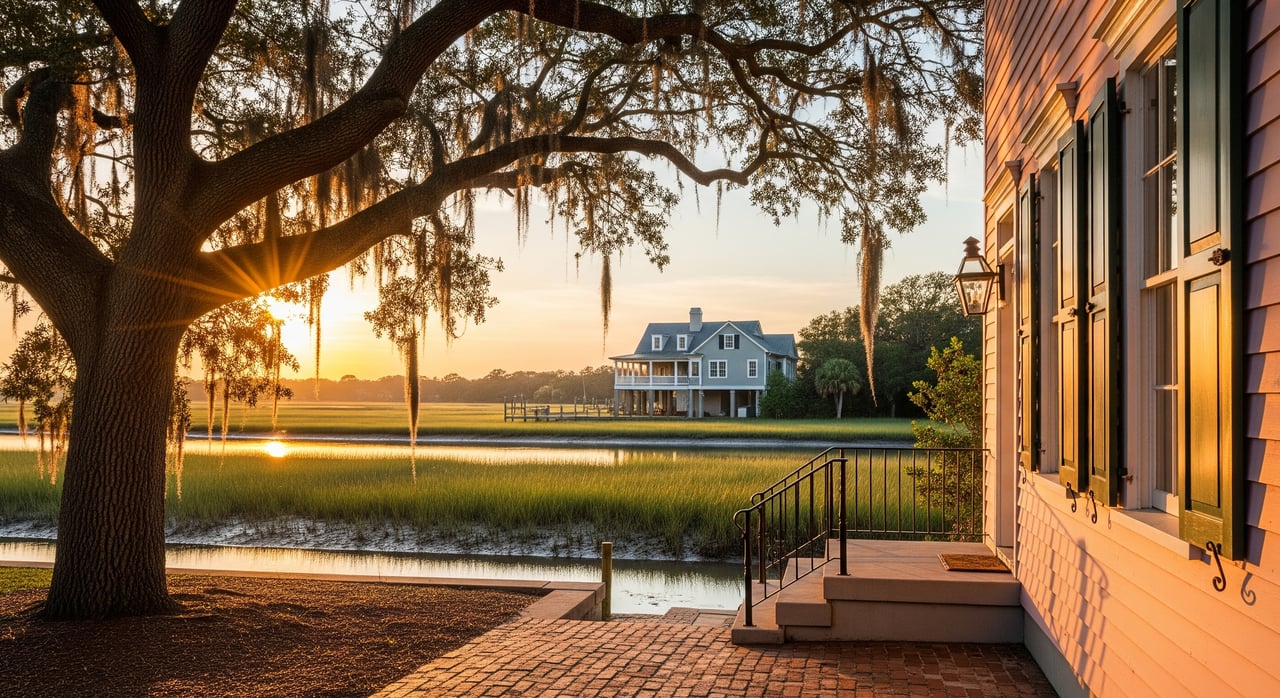
Charleston’s peninsula is low-lying and experiences tidal flooding, storm surge and heavy rain events. Before you purchase, review FEMA flood maps and ask for an elevation certificate if available. Many owners carry flood policies and premiums can vary by elevation and zone.
- Check flood zones at the FEMA Flood Map Service Center
- Review tide and sea-level data from NOAA’s Charleston gauge: NOAA Tides and Currents Station 8665530
- Learn about local floodplain resources at City of Charleston Floodplain Management
Hurricanes and preparedness
Hurricane season runs June through November. Older homes may need upgrades to windows, roofs and drainage. Have an evacuation plan, confirm insurance coverage and discuss mitigation for utilities and floodproofing.
Schools and healthcare
Public schools on the peninsula are part of Charleston County School District. Check school zoning by exact address to confirm assignments. For healthcare, the Medical University of South Carolina anchors major services in the area.
- School information: Charleston County School District
- Healthcare hub: Medical University of South Carolina
Parking and car ownership
Many residents keep a car but drive less. Private driveways and garages are limited, and street parking can require permits. If parking is important, focus your search on homes with off-street options or space for a curb cut, subject to city rules.
Before you buy checklist
- Walk the block at different times to gauge noise, traffic and parking.
- Confirm the property’s BAR status and ask for past approvals and permits.
- Order a general inspection, termite and pest review, roof and structural check, and a flood elevation review.
- Run the address through FEMA maps and request flood insurance quotes.
- Ask for documentation of renovations, contractors and warranties.
- Check school zoning and commute routes to workplaces.
- Talk to neighbors or the neighborhood association about typical street activity and parking rules.
A day in historic Charleston
Start with a coffee and a short walk under the oaks toward Colonial Lake. Midday, meet a friend for a quick lunch near King Street or by the waterfront while visitors browse the galleries. In the evening, catch a show during festival season or wander to the Battery for harbor views. After dinner, quiet residential streets welcome you back home.
Pros and cons
Pros
- Walkable lifestyle near dining, arts and parks
- Distinctive architecture and historic charm
- Strong cultural calendar and community events
- Quick access to beaches and waterfront
Considerations
- Higher maintenance and renovation costs for historic homes
- BAR approvals can add time to exterior projects
- Limited parking and occasional visitor congestion
- Flood exposure and rising insurance costs in some areas
Your next step
If historic Charleston matches your vision, you deserve a local advisor who knows the streets, the BAR process and the rhythms of each block. Whether you’re relocating or right-sizing, I can help you weigh options, run due diligence and move with confidence. Schedule a Free Consultation with Jack Huguley to start a tailored search on the peninsula.
FAQs
What areas define historic Charleston on the peninsula?
- The Old and Historic District and nearby neighborhoods such as South of Broad, the French Quarter, Ansonborough, Harleston Village, Cannonborough–Elliottborough and the East Side.
How walkable is the historic peninsula for daily errands?
- Very walkable for dining, shopping and many workplaces, though you may still use rideshares or short car trips for groceries or off-peninsula errands.
What should I know about BAR approvals for renovations?
- Exterior changes visible from public ways often require review by the City’s Board of Architectural Review, which can affect materials, design and timelines.
How significant is flood risk in historic Charleston?
- The peninsula is low-lying with tidal flooding and storm surge risk; check FEMA maps, obtain elevation data and get flood insurance quotes before you buy.
Which schools and hospitals serve the peninsula?
- Public schools are within Charleston County School District, and the Medical University of South Carolina provides major healthcare services on the peninsula.