Thinking about selling your Charleston home and aiming for a premium result? Top-dollar outcomes rarely happen by accident. They come from a clear plan, smart prep, and local know-how that anticipates buyer questions before they are asked. In this guide, you will learn the exact steps to take over 6 to 12 months, including required disclosures, inspection strategy, high-ROI repairs, and Charleston-specific factors like flood documentation and historic approvals. Let’s dive in.
Know your timing in Charleston
Charleston stays active, but pricing and days on market shift with interest rates and inventory. Spring and early summer often bring stronger buyer activity, so plan repairs and prep over winter to hit that window. Microtiming still matters by neighborhood and property type, so watch current metrics as you approach your list date. A disciplined schedule gives you options and keeps you out of rushed decisions.
Start with disclosures and pre-list inspections
Complete South Carolina disclosures early
Fill out the state Residential Property Condition Disclosure Statement carefully and include any expert reports you reference. Delivering this form before offers can reduce rescission risk and build buyer confidence. Review the state’s Residential Property Disclosure Act for what must be disclosed and when. You can find the law text at the South Carolina Legislature site in the section on the Residential Property Condition Disclosure Statement.
- Review the Residential Property Disclosure Act and form requirements: South Carolina Legislature site.
Address lead-based paint for pre-1978 homes
If your home was built before 1978, federal law requires you to provide the EPA/HUD lead pamphlet and disclose known hazards. Buyers get a 10-day window to test unless they waive it. Include this in your pre-list packet so there are no delays once you go under contract.
- Read the federal rule and pamphlet guidance: EPA Lead-Based Paint Disclosure Rule.
Order seller-side inspections that matter here
A pre-listing inspection lets you fix issues on your timeline. In Charleston, consider a general inspection plus targeted add-ons: termite/WDO, septic or sewer-scope if applicable, HVAC performance, roof specialist, chimney, and a moisture or mold screen. This package helps you plan the right repairs, collect bids, and document completed work.
- Benefits of pre-list inspections: InterNACHI overview.
- Termite risk background for coastal South Carolina: Clemson HGIC on Formosan termites.
Use the results to your advantage
Fix safety and lender-critical items first. Issues like active roof leaks, major electrical hazards, failing HVAC, septic failures, or active pest infestations can kill deals or trigger lender conditions. For items you defer, keep written bids and be transparent. Attach reports, invoices, permits, and warranties to your disclosure packet or have them ready for buyers.
- State disclosure rules and documentation expectations: South Carolina Legislature site.
Fix what buyers and lenders care about first
1) Safety and core systems
- Roof integrity and active leaks
- Major electrical hazards
- HVAC that cannot maintain temperature
- Plumbing leaks or sewer backups
- Septic system problems where applicable
Tackle these first because they affect financing and habitability.
2) Moisture control and crawlspace health
Charleston’s humidity makes water management essential. Clear gutters and downspouts, correct grading, seal leaks, and consider dehumidification in crawlspaces where appropriate. If you have had water intrusion, document cleanup and keep indoor relative humidity in check. Buyers are sensitive to musty interiors.
- Mold prevention and cleanup guidance: EPA Mold Cleanup.
3) Termite and WDO documentation
Obtain a termite/WDO report and handle any treatment quickly. Provide receipts and transferable warranties if available. Lenders and buyers often expect clear documentation in Charleston County.
- Learn more about regional risk: Clemson HGIC on Formosan termites.
4) Flood and elevation information
If your property sits in a Special Flood Hazard Area, gather an Elevation Certificate and your flood policy history. Document any mitigation like raised equipment or flood vents. This reduces buyer uncertainty and helps insurers and lenders price risk.
- Find Elevation Certificate resources through the City: City of Charleston Elevation Certificates.
5) Exterior condition and curb appeal
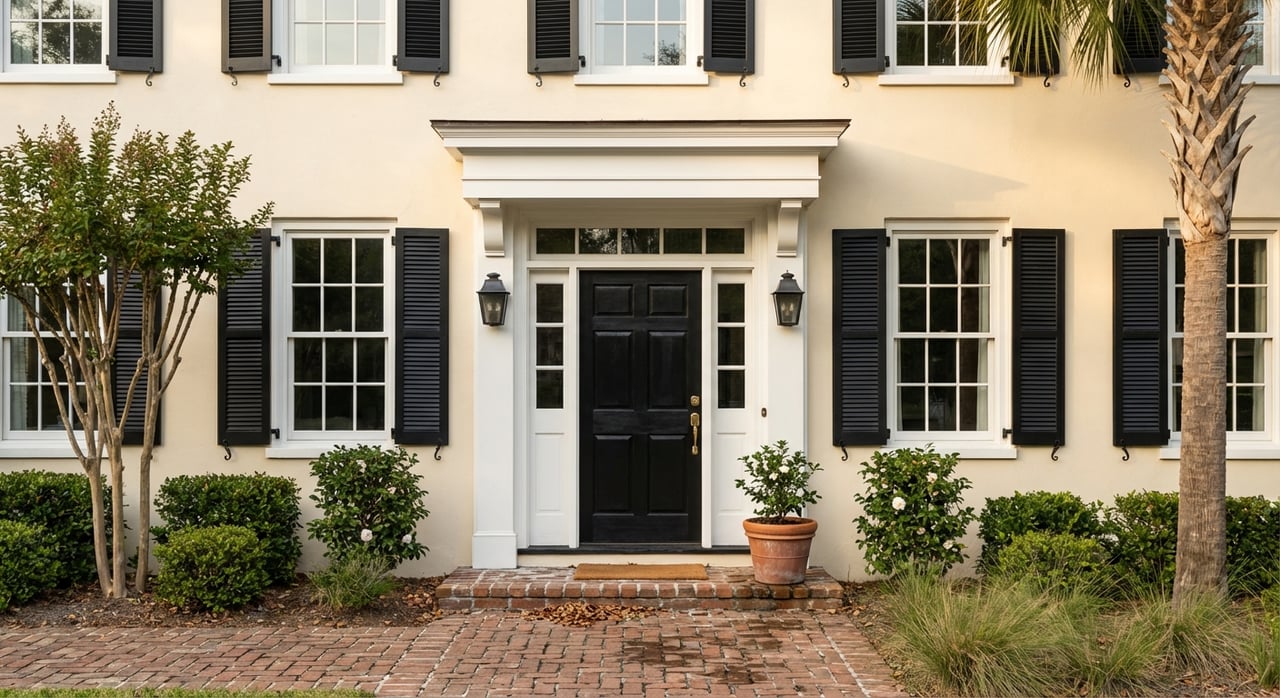
Fresh paint touch-ups, repaired porches and railings, clean hardscapes, and neat landscaping create instant impact. If you are in a regulated historic district, confirm whether visible exterior work needs staff approval or a Board of Architectural Review filing, then build that time into your schedule.
- Learn about BAR submittals and review levels: City of Charleston BAR.
6) Kitchens and baths with measured updates
Minor kitchen updates and midrange bath refreshes often outperform upscale gut remodels on resale return. Focus on neutral finishes, lighting, hardware, and counters that show clean and current without overcapitalizing.
- See national Cost vs. Value trends: Zonda Cost vs. Value summary.
7) Wind and hurricane resilience
On waterfront or exposed sites, simple wind-mitigation measures can add peace of mind. Examples include reinforcing roof-to-wall connections where feasible, protecting openings, and securing outdoor elements. If you complete upgrades, keep receipts and contractor letters for buyers and insurers.
Coastal, historic, and waterfront specifics
Choose materials that stand up to salt air
Salt and humidity are hard on exteriors. Favor coastal-rated materials, stainless or hot-dipped galvanized fasteners, and regular HVAC service with coil cleaning near the coast. Replace corroded flashing and hardware promptly. Keep a written maintenance log to present to buyers.
Historic district properties
Highlight intact features like porches, original woodwork, and mantels, and document any modernized systems. If you have completed visible exterior work, include BAR approvals or staff sign-offs in your packet. For large projects, expect board schedules and possible multi-round review, so plan ahead.
- BAR rules and meeting schedules: City of Charleston BAR.
Docks, piers, and shoreline structures
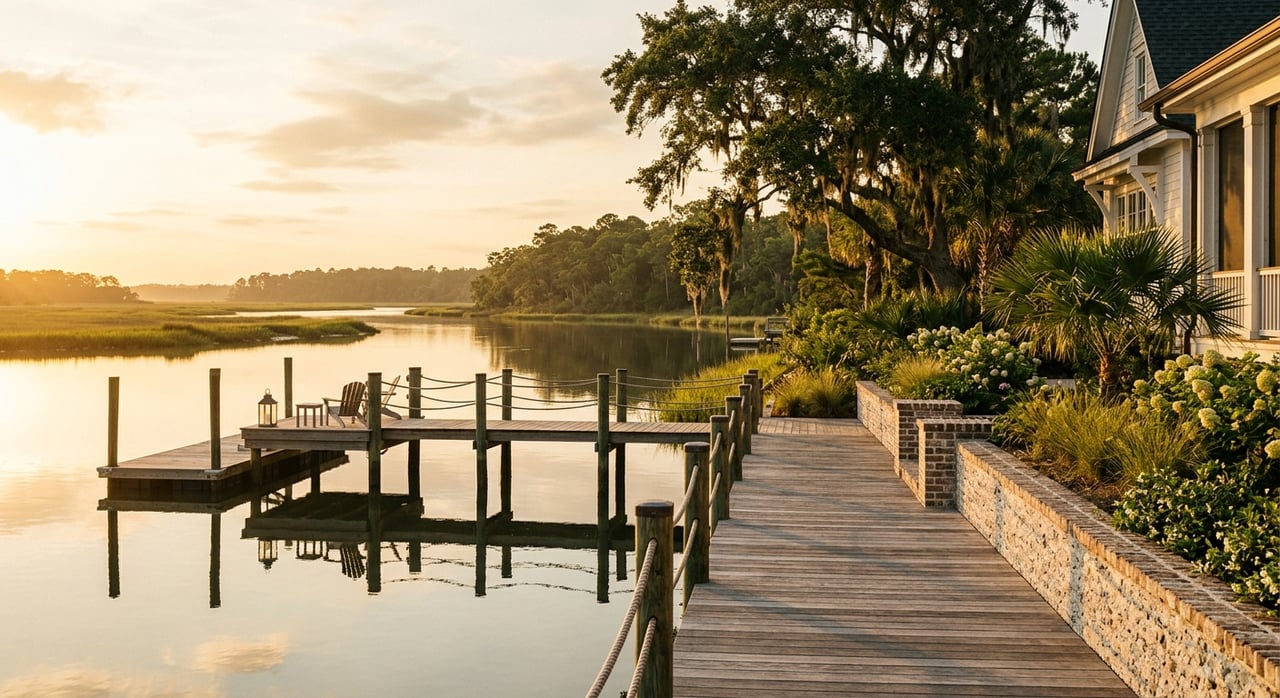
If your property includes a private dock or bulkhead, gather permit history, recent inspections, and maintenance records early. Buyers of waterfront homes look for clear documentation, and lenders sometimes ask for it as well.
- Federal permit framework overview: USACE Regulatory Program and Permits.
Presentation, staging, and photography that sell
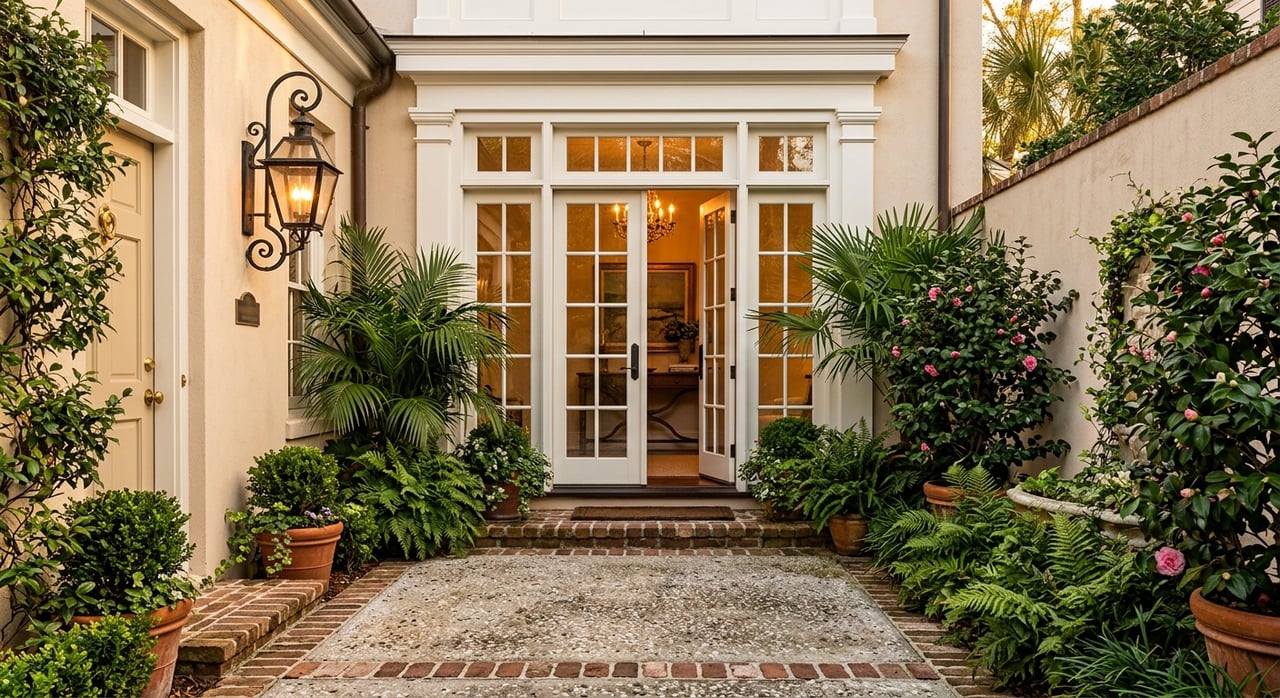
Historic homes: Stage to showcase original details and pair them with evidence of updated systems. If exterior work was BAR-approved, note that in your materials.
Waterfront and marsh homes: Feature outdoor living and long views. Photo timing matters. Plan for clear skies or high tide when possible. Include flood zone and elevation documentation in your packet to answer risk questions upfront.
Humidity and odor control: Replace HVAC filters, consider dehumidifiers in muggy months, and schedule a deep clean. A fresh, neutral interior smell is a quiet but powerful differentiator.
Mold and humidity best practices: EPA Mold Cleanup.
Six to twelve months to launch: your prep timeline
Immediate: weeks 0 to 2
Book a general pre-listing inspection plus WDO and septic or sewer-scope where relevant.
Gather documents: past inspections, warranties, permits, elevation certificates, HOA documents, and flood policy history.
Review and begin completing your seller disclosure.
Pre-list inspection benefits: InterNACHI overview.
State disclosure requirements: South Carolina Legislature site.
Short term: weeks 2 to 8
- Tackle high-impact repairs: roof patches, HVAC service, termite treatment, gutter and grading fixes, moisture control, and paint touch-ups where allowed.
- Declutter, deep clean, and begin light staging.
- Line up bids and schedules for any remaining items.
Moderate projects and approvals: 6 to 16+ weeks
Secure BAR approvals for visible exterior work in historic districts and obtain building permits for structural items.
For waterfront properties, gather dock or shoreline permits and schedule any needed maintenance.
BAR process and timelines: City of Charleston BAR.
Dock and shoreline permitting context: USACE Regulatory Program and Permits.
Long horizon items: several months
If you plan a certified rehabilitation for a contributing historic property, submit the homeowner tax credit application before starting work. Build review time into your schedule.
Program overview and timing: SC Department of Archives & History — Homeowner Tax Credits.
Your pre-list documentation packet
Completed state seller disclosure with expert reports attached.
General inspection and WDO report, plus receipts and warranties for repairs.
Elevation Certificate and flood policy history if in a flood zone.
BAR approvals or staff letters for exterior work, plus permit numbers.
Dock or shoreline permit history and any recent inspections.
City resources for Elevation Certificates: City of Charleston Elevation Certificates.
How to position your home for a premium
Premium outcomes come from three things working together: transparency, risk reduction, and standout presentation. Your disclosures and inspection-driven fixes reduce uncertainty. Targeted updates and curated staging help buyers see the lifestyle your home delivers. Smart timing and a strong launch plan bring qualified attention fast. If you want a calm, expert process with global reach, connect with Jack Huguley to map your path to market.
FAQs
What is the South Carolina property disclosure and when do I provide it?
- South Carolina requires a Residential Property Condition Disclosure; complete it accurately and deliver it to buyers at or before an offer to avoid rescission windows. See details on the South Carolina Legislature site.
Do I really need a pre-listing inspection in Charleston?
- It is a smart move, especially for older or complex homes; it lets you fix issues on your schedule, collect bids, and present a clean packet that builds buyer trust. Learn more from InterNACHI.
How do flood zones and Elevation Certificates affect my sale?
- In Special Flood Hazard Areas, lenders often require flood insurance and may need an Elevation Certificate; having it ready helps insurers price risk and reduces buyer uncertainty. Check local resources for certificates on the City of Charleston site.
Which upgrades deliver the best ROI before selling?
- Curb appeal projects and minor kitchen or midrange bath updates often return more than upscale gut remodels; weigh cost, time to permit, and neighborhood comps. See the national trends in Zonda’s Cost vs. Value summary.
What if my home is in a historic district?
- Some visible exterior changes require staff review or a Board of Architectural Review filing; plan for submittal deadlines and possible multiple rounds. Learn more at the City of Charleston BAR page.
I have a private dock. What should I prepare?
- Collect federal and state permit records, recent inspections, and maintenance documentation early; buyers and lenders often ask for them. Review federal permit context at the USACE Regulatory Program and Permits page.