What does a Charleston weekend actually feel like when you slow down and move through it like a local? It is less about cramming in every landmark and more about finding a rhythm: coffee near the market, a walk by the harbor, time in a gallery, dinner that stretches into the evening, and maybe a beach morning the next day. If you are thinking about visiting, relocating, or buying a home here, that rhythm tells you a lot about daily life. Let’s dive in.
Start Saturday at Marion Square
A local-style Saturday often starts at Marion Square, one of the city’s most active public parks. It is used for festivals, picnics, and everyday downtime, and it is also home to the Charleston Farmers Market during the season. That makes it a natural first stop if you want to experience downtown in a way that feels easy and real.
The Charleston Farmers Market at Marion Square runs on Saturdays from 8:00 a.m. to 2:00 p.m., April 4 through November 21, 2026, with holiday exceptions. You can picture the morning clearly: coffee in hand, local produce and prepared foods nearby, and a steady mix of residents and visitors moving through the square. It feels lived-in, not staged.
If you are trying to understand Charleston as more than a vacation destination, this is a good place to begin. A market-centered morning says a lot about the peninsula lifestyle. You can walk, linger, and turn a simple errand into part of the day.
Keep downtown car-light
One reason this kind of weekend works is that downtown Charleston supports a mostly car-light routine. The peninsula links together parks, shops, dining, and cultural stops in a way that feels manageable on foot, and the free DASH shuttle helps connect major downtown destinations. That means you can spend more time enjoying the day and less time circling for parking.
For many people, that convenience becomes part of the appeal of living on or near the peninsula. If you like the idea of stepping out for a market morning, walking toward the water, and finishing the day with dinner downtown, Charleston makes that pattern feel natural. It is a lifestyle defined by proximity.
Walk the harbor by midday
From Marion Square, the next move is often toward the waterfront. White Point Garden offers harbor views, open green space, benches, and a walking path in the historic district. It is the kind of place where you can slow the day down without feeling like you have stopped.
This part of Charleston gives you a strong sense of place. You are close to the water, close to historic streets, and still within easy reach of other downtown stops. The geography works in your favor, which is one reason locals and repeat visitors often build their weekends around simple walks instead of rigid itineraries.
The downtown harbor area also connects well with the city’s arts and dining scenes. Rather than jumping across town, you can move through a few blocks at a time and let the day unfold. That makes Charleston feel both compact and layered.
Add galleries to the afternoon
Charleston’s arts scene is one of the easiest ways to turn a pleasant day into a memorable one. City Gallery sits in Joe Riley Waterfront Park at 34 Prioleau Street and focuses on contemporary art with a Lowcountry emphasis. It is free to enter, which makes it an easy addition to a downtown afternoon.
Another strong option is the Halsey Institute of Contemporary Art at 161 Calhoun Street. If you enjoy contemporary exhibitions, it gives you another reason to spend part of the day exploring the peninsula beyond the most photographed corners. Together, these spaces reinforce that Charleston’s culture is active and evolving.
If your weekend lands on the right date, downtown also hosts recurring art events. First Friday ArtWalks take place on the first Friday of each month from 5:00 p.m. to 8:00 p.m., except January and July, and the Gibbes Museum’s Society 1858 Art Walk routes visitors through gallery streets downtown. Charleston Arts programming, including events like Piccolo Spoleto and MOJA Arts Festival, adds to that event-driven energy.
Make dinner part of the experience
In Charleston, dinner is not just the end of the day. It is part of the city’s identity. According to Explore Charleston’s cuisine guide, the local food scene blends seafaring and agrarian traditions, with options that range from inventive to traditional and from farm-fresh to just-caught.
That range matters because it gives your weekend flexibility. You can keep lunch casual, spend the afternoon walking or gallery hopping, and then shift into a more polished evening. Whether you are in the mood for seafood, Southern fare, or a quieter fine dining setting, Charleston makes dining feel like part of the place, not just a necessity.
For homebuyers, that says something useful about local lifestyle. Some areas support an easy dinner-out rhythm where restaurants are part of your weekly routine, while others offer more privacy and destination-style living. The right fit depends on how you want your weekends to feel.
Spend Sunday at the beach
One of Charleston’s biggest advantages is how quickly a downtown weekend can turn into a beach day. According to the official Charleston beach guide, several beach communities are close to the historic district while still feeling like a true escape. That balance is a major part of the region’s appeal.
If you want a public beach day, the official guide notes that Isle of Palms, Kiawah Island, Sullivan’s Island, and Folly Beach all offer public beach access. Seabrook Island, by contrast, is private to residents and guests. Those distinctions are helpful whether you are planning a weekend outing or thinking about long-term lifestyle.
The same official FAQ lists Sullivan’s Island at 9 miles from the historic district, Folly Beach at 22 miles, Seabrook Island at 25 miles, and Kiawah Island at 27 miles. Those are meaningful differences. A quick beach morning and a full private-island retreat can both be part of the Charleston experience, but they create very different routines.
Choose the island that fits your style
Sullivan’s Island is described as a harbor-mouth community with wide beaches, water sports, local restaurants, shops, and vacation houses rather than hotels. If you want a beach setting that still feels closely tied to the everyday Charleston area lifestyle, it stands out. It is easy to imagine a morning there becoming a regular habit.
Isle of Palms is presented as a family-friendly beach town between the Atlantic and the Intracoastal Waterway. Folly Beach leans more casual, surf-forward, and lively, with beach bars, live music, and a laid-back commercial strip. Each offers public beach access, but the feel is not the same.
Kiawah Island offers a more protected barrier-island setting, with 10 miles of protected shores and only Beachwalker Park open to the public. Seabrook Island is private, with maritime forest, trails, and a full-service equestrian center. If privacy, nature, or equestrian amenities matter most to you, those distinctions become especially important.
See how weekend habits match neighborhoods
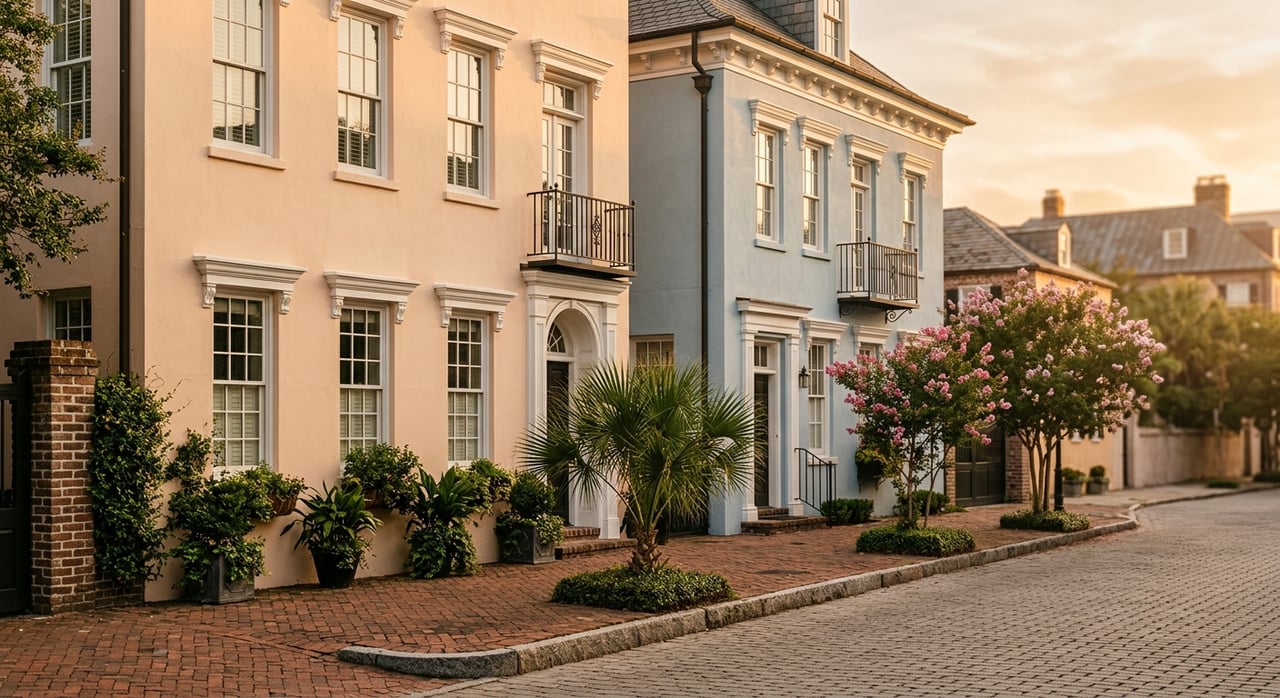
A local-style weekend can tell you a lot about where you may want to live. If your ideal Saturday includes walking to the market, spending time near galleries, and keeping your car parked most of the day, the downtown peninsula naturally fits that pattern. It offers access to the arts, waterfront parks, and a steady dining scene in a compact setting.
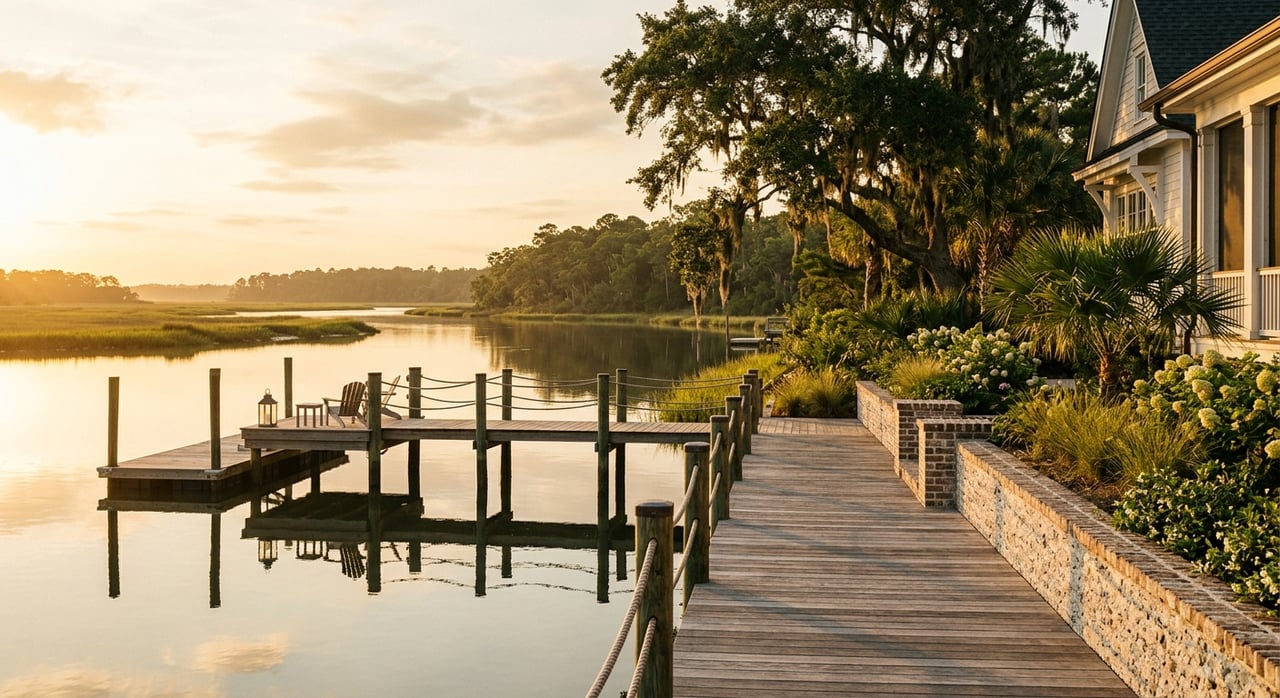
If you want a quieter residential atmosphere with harbor access and easy connections to both downtown and the beach, Mount Pleasant’s Old Village brings a different pace. The official tourism materials describe Old Village as a harborfront area known for historic homes and a small-town feel, while also being minutes from both downtown Charleston and the beach. For many buyers, that balance is hard to ignore.
If your weekends are more about salt air than city blocks, the beach communities may feel more aligned. Sullivan’s Island, Isle of Palms, and Folly Beach each support a beach-first routine, while Kiawah and Seabrook speak more to privacy, retreat, and a more contained island environment. None is universally better. The right choice depends on the rhythm you want every week.
Why this matters for buyers and sellers
Lifestyle is often what turns a search into a decision. People rarely choose a home based on square footage alone. They choose the version of daily life that home makes possible.
That is especially true in Charleston, where the distance between downtown culture, waterfront parks, and barrier-island living can be surprisingly short. A weekend spent moving through the city like a local can help you narrow what matters most: walkability, beach access, privacy, dining, art, or a blend of all of them.
If you are weighing where to buy or how to position a home for sale, that local context matters. Jack Huguley brings deep Charleston roots and a tailored, high-touch approach to helping clients navigate downtown, Old Village, waterfront, island, acreage, and specialty properties across the region.
FAQs
What does a local Charleston weekend usually include?
- A local-style Charleston weekend often includes a Saturday morning at Marion Square, time walking near the harbor, an afternoon gallery stop, dinner downtown, and a Sunday beach outing.
What makes downtown Charleston easy to explore without a car?
- Downtown Charleston is arranged in a way that links parks, shops, galleries, and dining, and the free DASH shuttle helps connect major peninsula destinations.
What is the Charleston Farmers Market schedule at Marion Square?
- The Charleston Farmers Market is listed at Marion Square on Saturdays from 8:00 a.m. to 2:00 p.m., April 4 through November 21, 2026, with holiday exceptions.
Which Charleston beach communities have public beach access?
- According to the official Charleston beach guide, Isle of Palms, Kiawah Island, Sullivan’s Island, and Folly Beach offer public beach access, while Seabrook Island is private to residents and guests.
How far are Charleston beaches from the historic district?
- The official Charleston beach FAQ lists Sullivan’s Island at 9 miles, Folly Beach at 22 miles, Seabrook Island at 25 miles, and Kiawah Island at 27 miles from the historic district.
Which Charleston area fits a market-and-gallery lifestyle?
- The downtown peninsula is the strongest fit for a market-and-gallery lifestyle because it brings together Marion Square, waterfront parks, galleries, and dining in a walkable setting.
Which Charleston areas fit a beach-first lifestyle?
- Sullivan’s Island, Isle of Palms, and Folly Beach are strong choices for a beach-first routine, while Kiawah and Seabrook may appeal more if you want privacy, nature, or a retreat-style setting.