Is your historic Charleston home ready for the market, but the rules and repairs feel overwhelming? You want the right buyer, a smooth closing, and strong value without risking delays. In this guide, you’ll learn how to navigate BAR approvals, inspections, disclosures, smart repairs, and targeted marketing that speaks to preservation-minded and premium buyers. Let’s dive in.
What makes historic Charleston sales different
Selling on the peninsula and in established historic neighborhoods is not like listing a newer home in the suburbs. Inventory is tight and buyers are selective. Many prioritize original materials and architectural character, but still expect reliable systems and clear documentation.
You are selling a story and a stewardship opportunity. That means leaning into authenticity, being transparent about condition, and planning for the city’s preservation process.
Common buyer profiles
- Preservation-focused locals who value original details and routine maintenance.
- Renovation buyers and investors who will take on permitted rehab work with the right scope.
- Second-home or out-of-state buyers who want character with modern HVAC, plumbing, and electrical.
- Institutional and nonprofit buyers in rare cases.
Shape your listing for this market
- Highlight original fabric and documented, period-appropriate repairs. The National Park Service advises repair and retain strategies over wholesale replacement for historic materials. See the NPS Preservation Briefs.
- Showcase sympathetic mechanical upgrades that are discreet or reversible.
- Provide inspection reports, permits, and service records up front to build buyer confidence.
Know the rules before you list
BAR basics and why they matter
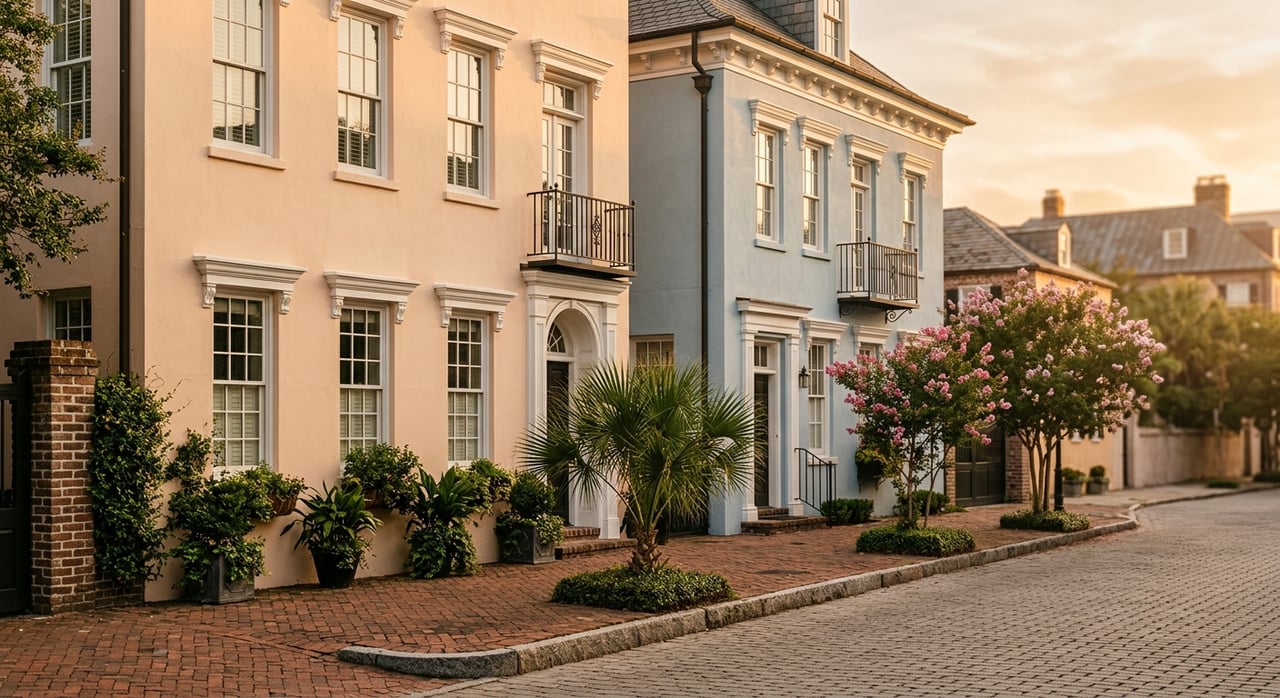
Charleston’s Board of Architectural Review (BAR) oversees exterior work visible from the public right of way within local historic districts. Windows, roof materials, shutters, porches, fences, and visible additions often require a Certificate of Appropriateness. Review the City’s BAR page for scope, meeting calendars, and the digital submission process through the CSS portal. Plan your prep and marketing around these timelines. Start here: City of Charleston BAR.
Historic districts, overlays, and demolitions
If your home is within a special overlay or demolition purview, additional review rules may apply. The BAR reviews demolitions of buildings over 50 years old in many areas and any demolition in the Old and Historic District. Confirm your property’s status and consult staff early if you are planning exterior work.
Incentives that influence value
Historic designation brings restrictions and potential benefits. The federal Historic Rehabilitation Tax Credit provides a 20 percent credit for certified rehabilitations of income-producing historic properties, which may matter if the home will be used for rental or other income purposes. Review the federal tax credit basics and plan early with SHPO and a tax advisor.
South Carolina also offers state rehabilitation credits, including options for certified historic residential structures that differ from the federal rules. Eligibility and processes are set by state law. See South Carolina Code Section 12-6-3535, and consult with SHPO and qualified tax counsel before you start work.
Easements and covenants
Some Charleston homes carry preservation easements or protective covenants that limit future changes. These restrictions survive a sale, can affect value, and must be disclosed. Gather the recorded documents and be ready to explain scope and the easement holder’s role to buyers.
Get inspections and disclosures right
South Carolina seller disclosure
Most sales require a Residential Property Condition Disclosure Statement. You must answer questions about known material defects and update the form if pre-listing inspections reveal new information. Review the state’s overview of South Carolina seller disclosure laws.
Lead-based paint for pre-1978 homes
If your home was built before 1978, federal law requires you to provide the EPA pamphlet “Protect Your Family from Lead in Your Home” and disclose any known lead information. Learn more about the lead-based paint disclosure rule.
Termites and the CL-100
Wood-destroying organisms are a reality in Charleston. Lenders and contracts often require a formal CL-100 wood infestation report, which is typically valid for a short window before closing. A recent report and any transferable termite warranty can reduce last-minute friction. See the official South Carolina wood infestation report format.
Flood risk, elevation, and insurance
Flood exposure affects buyer pools, lender requirements, and premiums. Check FEMA FIRM panel status and see if an elevation certificate is on file with the City or County. Start with the City’s flood zone resources and plan to disclose zone status and any available elevation certificate early.
Pre-listing checklist
- Legal and permitting
- Confirm whether your property is in BAR jurisdiction and whether planned work needs a Certificate of Appropriateness. Consider a staff consultation. See the BAR overview.
- Disclosures and documents
- Completed state disclosure form, EPA lead pamphlet if pre-1978, recent CL-100 and termite treatment records, any preservation easement or covenant, and permit history for major work.
- Building systems and safety
- Electrician’s report if legacy wiring or older panels may affect insurability, HVAC service records and ages, roof repair documentation, moisture and foundation assessments if settlement is visible.
- Flood and insurance
- Locate an elevation certificate if available and speak with a coastal-savvy insurance broker about underwriting flags for historic homes.
- Preservation documentation
- Inventory original features, photograph details, and keep invoices and scopes for past restoration. The NPS Preservation Briefs outline repair-first approaches buyers value.
Repair now or sell as-is
Not every project pays to do before listing. Focus on high-impact fixes that clear underwriting and safety hurdles, then let the next owner personalize the rest.
- High-impact repairs to consider pre-listing
- Treat active termite issues and stabilize any damaged framing noted in reports.
- Address major roof leaks or active moisture intrusion and show receipts.
- Correct electrical hazards that can impede insurance, such as live knob-and-tube.
- Resolve evident mold or water problems and document remediation.
- Preserve character where it counts
- Repair original windows and doors rather than replace when feasible, and document the work. Preservation authorities and many buyers prefer authenticity.
Market the story, not just specs
Premium buyers are drawn to a home’s provenance and care. Your marketing should make that evident.
- Tell the home’s story
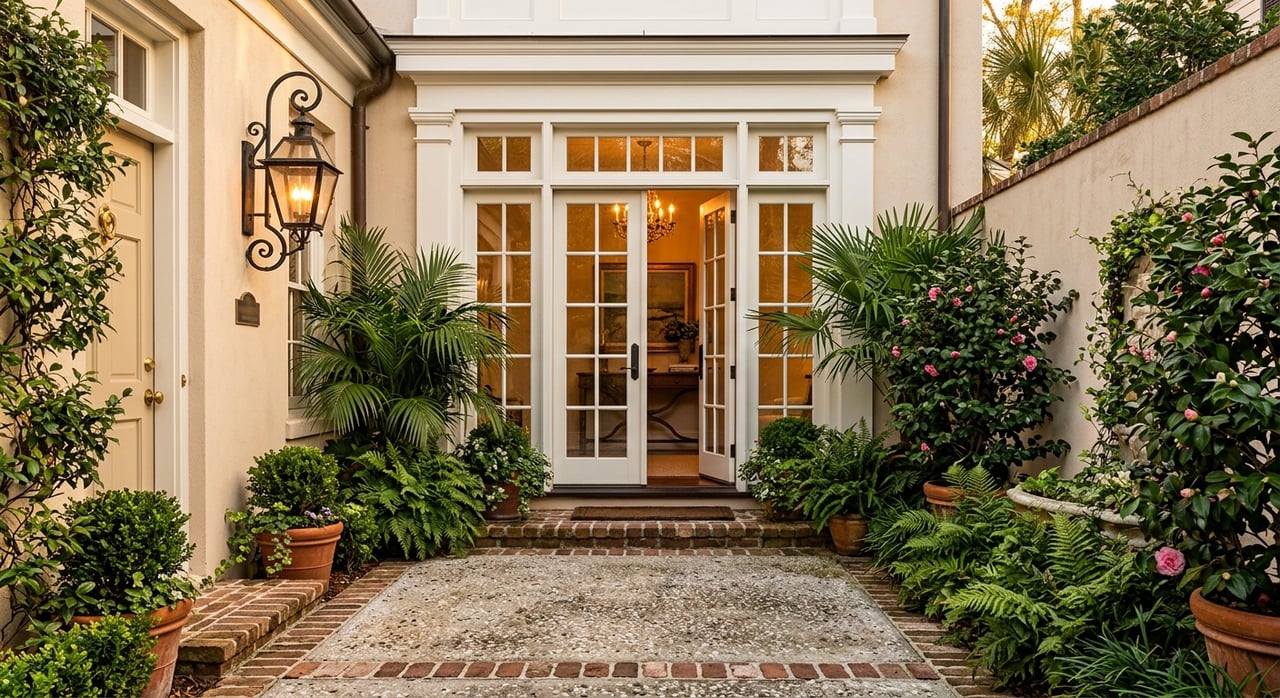
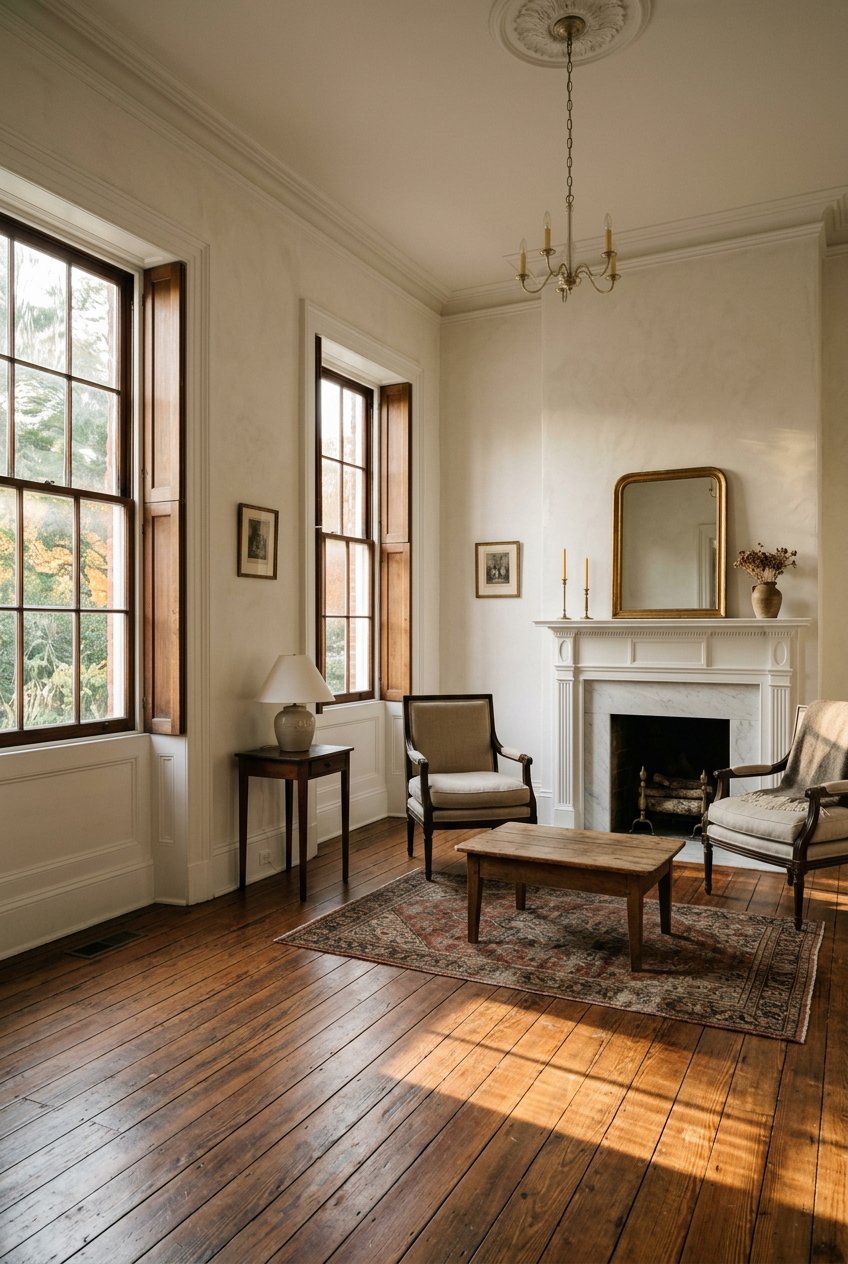
- Share the construction era, notable owners or architects if known, and craftsmanship details like mantels, moldings, and flooring.
- Build a preservation packet
- Include BAR and permit history, easement documents, maintenance receipts, recent inspection reports, and the elevation certificate. Add a short, preservation-appropriate scope of recommended future work.
- Target the right channels
- In addition to broad syndication, elevate exposure through local preservation circles and events. Historic Charleston Foundation periodically supports preservation initiatives that appeal to engaged buyers. See a recent example of local preservation funding.
Expect these financing paths
Many historic-home buyers use financing designed for renovation. Knowing these options can help you plan timelines and evaluate offers.
- Renovation mortgages
- FHA 203(k) for owner-occupants and conventional HomeStyle loans allow buyers to finance permitted repairs within the mortgage. These loans require extra time for scopes and appraisals based on the as-completed value. Share this with interested buyers and encourage lenders experienced with renovation loans. Learn about the FHA 203(k) program.
- Historic tax credits
- If your property will be income-producing after sale, the federal 20 percent Historic Rehabilitation Tax Credit may factor into a buyer’s pro forma. Review the federal credit basics.
- South Carolina’s program also offers residential credits with different rules and eligibility. Start with SC Code 12-6-3535 and speak with SHPO and tax counsel early.
Timeline and coordination
- BAR and permitting
- Meeting slots are fixed and submissions are digital. Build in time for at least one staff consultation and, if needed, a full Board hearing. Start registrations early.
- WDO/CL-100 timing
- Expect to update the report if the listing extends, since CL-100 letters are typically valid for a short period near closing.
- Renovation loan closings
- If your buyer uses 203(k) or HomeStyle, allow additional time for scopes, contractor bids, and as-completed appraisals. Coordinate early to stay on track.
Why work with Jack Huguley
Selling a historic Charleston home takes discipline, local relationships, and thoughtful presentation. As a Charleston native and Associate Broker with Daniel Ravenel Sotheby’s International Realty, Jack brings deep neighborhood knowledge, senior-level negotiation, and global marketing reach. You get boutique, high-touch representation designed to surface qualified buyers and protect your outcome from listing to close.
Ready to map the right plan for your property? Schedule a Free Consultation with Jack Huguley.
FAQs
What is the BAR and how does it affect my sale?
- The City’s BAR reviews exterior changes visible from the street in local historic districts and many demolitions. If you plan pre-listing exterior work, confirm whether a Certificate of Appropriateness is required and plan your timeline around meeting dates.
What is a CL-100 termite letter in South Carolina?
- It is the official wood infestation report lenders and contracts commonly require before closing. It distinguishes active from prior activity and is usually valid for a short time, so expect to update it near closing.
How do I check my flood zone in Charleston?
- Visit the City’s flood zone resources, verify your FEMA FIRM panel, and request any elevation certificate on file. Share zone status and the certificate with buyers early.
Are historic tax credits available for owner-occupied homes?
- Federal credits apply to income-producing properties, while South Carolina offers residential credits with different requirements. Consult SHPO and a tax advisor before planning work.
Can I replace original windows before listing?
- Preservation guidance favors repair and retention of original windows when feasible, and BAR review is often required for visible replacements. Authentic, documented repairs can strengthen buyer appeal.