Is your Charleston waterfront home quietly telling you it is time to sell? If you are thinking about listing in the next few months, timing and tides can shape first impressions, buyer traffic, and negotiating power. You want a plan that aligns with how buyers shop here, how boats move, and how the water looks from your dock. This guide shows you when to list, how to schedule photos and showings around tides, and a simple 3–6 month plan to get market-ready. Let’s dive in.
When buyer demand peaks in Charleston
Spring is the strongest selling season for residential real estate, and Charleston follows that pattern. Longer days after March, mild weather, and active tourism bring more qualified buyers to town. Families also plan around summer breaks, so spring listings often support early-summer closings. National Association of REALTORS research consistently shows spring as a high-demand window.
Fall can perform well too, especially September and October. Weather is still pleasant and tourism is steady, which keeps showing activity healthy. The window is shorter than spring, so preparation and pricing discipline matter. If your goals require a fall timeline, plan showings and marketing carefully.
Tides shape first impressions
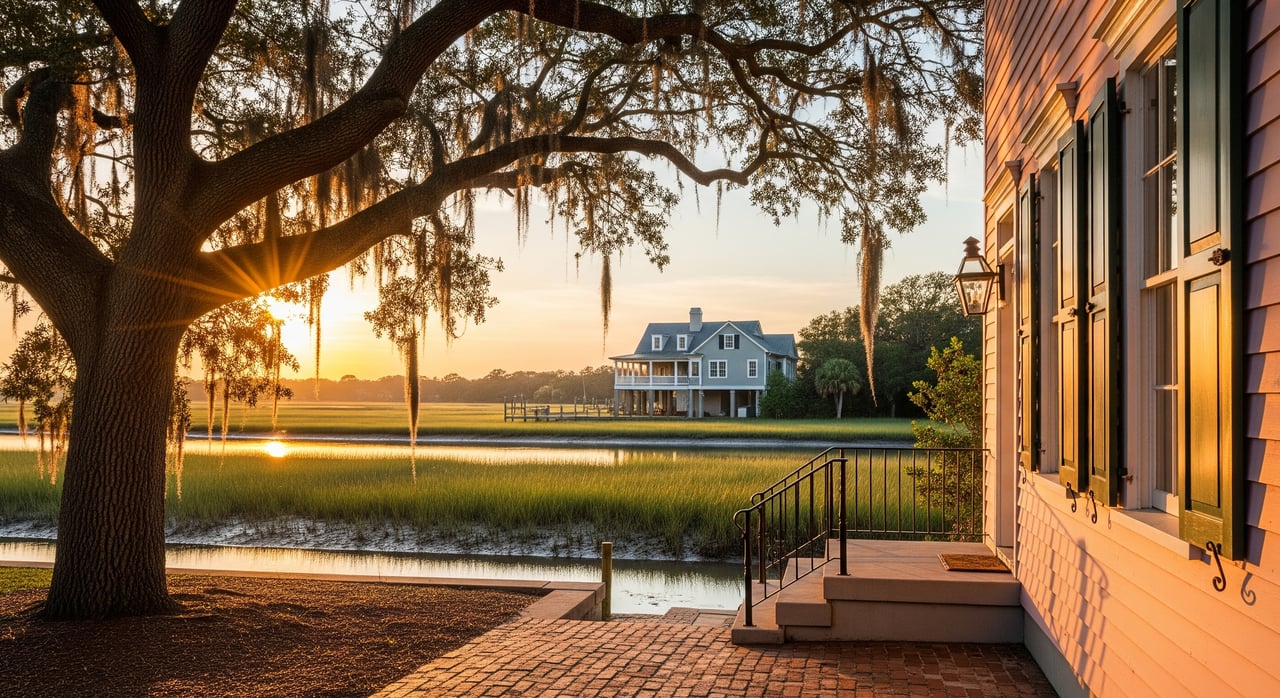
Waterfront buyers react to what they see at the waterline. High tide shows fuller marsh edges and usable dock depth, which reads as more inviting. Low tide can expose mudflats or oyster beds that some buyers view as a drawback, and it can highlight draft limits for certain boats.
- Schedule photography and key showings for mid-to-high tide.
- For marsh-front homes, consider a separate set of low-tide images for transparency, but use high-tide photos in primary marketing.
- Use NOAA tide predictions to pinpoint ideal times for photos, open houses, and private tours.
Boating season and weekend strategy
Recreational boating peaks spring through fall, and many waterfront buyers are active boaters. Weekend mornings during boating season can bring serious prospects who plan their day around the water. Lean into that rhythm when you plan open houses and private tours.
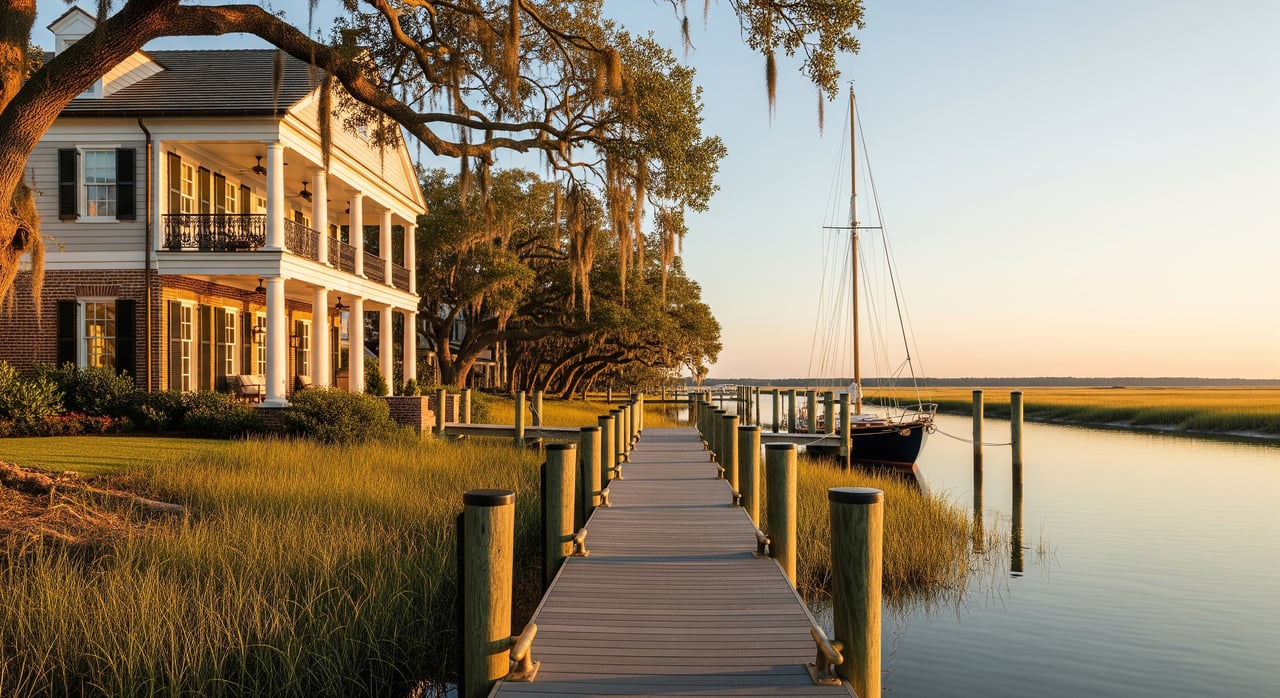
Buyers will evaluate dock condition, water depth by tide, and proximity to navigable channels. Have clear notes on typical depth ranges and any tide-dependent access. If staging a boat helps illustrate use, keep it clean and uncluttered.
Weather, storms, and flood documentation
Hurricane season runs June 1 to November 30. Late-summer and early-fall listings can face short-term delays if a named storm approaches and may prompt insurance questions. Spring listings usually avoid the most active storm period and can close before peak season.
Be ready with a complete flood and elevation packet. Buyers and their lenders will ask for flood zone maps, an elevation certificate, and insurance details. You can pull mapping and zone data from the FEMA Flood Map Service Center to support disclosures and buyer confidence.
Photography that sells the water
Beautiful light plus the right tide puts your home’s best features forward. Golden hour is ideal for exteriors. East-facing water views shine near sunrise, while west-facing views glow near sunset. Plan interior photos when rooms receive the most natural light.
Aerial imagery is powerful for context. Drone shots can show dock layout, proximity to marinas, and the path to open water. Use a licensed operator who follows FAA UAS guidelines, and plan flights for mid-to-high tide so the water presents well.
A simple 3–6 month plan
Target a spring list date if possible. Back-plan from your ideal month.
6 months out: assess and scope
- Confirm or order a survey; understand boundaries and riparian rights.
- Update your elevation certificate and gather flood-zone info.
- Schedule a marine contractor to inspect the dock and bulkhead; get estimates.
- Review insurance coverage and obtain documentation.
- Begin major repairs with long lead times.
4 months out: complete major work
- Finish dock, sea-wall, and structural repairs and any permits.
- Trim trees and plan modest landscape updates.
- Schedule a pre-list home inspection to avoid closing delays.
- Consult a local waterfront agent to align timing with MLS activity.
2–3 months out: stage and prepare
- Book a waterfront-experienced photographer and licensed drone pilot. Choose tentative dates tied to high tide via NOAA tide charts.
- Declutter patios, porches, and the dock; decide whether to stage a boat.
- Compile buyer-ready docs: flood, survey, dock permits, HOA or marina rules, maintenance records.
4–6 weeks out: finalize materials
- Confirm photography and backup dates for weather.
- Prepare disclosures and a concise pre-list packet with tide snapshots and dock specs.
- Pick an open house weekend with favorable daylight and a mid-to-high tide window.
Week of listing: launch with intention
- Re-check tide and weather for photos and showings.
- Clear and stage the dock; secure ladders and cleats.
- Brief showing agents on ideal tide windows.
- Publish professional photos, drone imagery, and transparent notes on typical tide conditions.
Quick seller checklist
- Tide-aware scheduling for photos and first showings.
- Dock and bulkhead inspection report on file.
- Elevation certificate, flood zone map, and insurance declarations ready.
- Dock permits, riparian easements, HOA or marina rules handy.
- Clear notes on typical depth at high and low tide.
- High-quality drone and golden-hour photography in place.
- Simple showing guide that flags king-tide exceptions.
Choosing your listing month
If you want the broadest buyer pool, spring through early summer is your best bet in Charleston. You gain longer days, strong tourism, and family timelines that align with summer moves. Early fall can also work well with a tighter window and some hurricane-season caution.
There is no one-size-fits-all answer. Your home’s orientation, dock depth, and market-ready status all matter. A clear plan that marries seasonality with tide timing will help you secure stronger offers and smoother negotiations.
Ready to put a tailored plan in motion? Schedule a timing consult, dock and tide review, and a custom marketing plan with Jack Huguley. You will get senior-level guidance, disciplined preparation, and global exposure through Daniel Ravenel Sotheby’s to reach qualified buyers.
FAQs
What is the best month to list a Charleston waterfront home?
- Spring is typically strongest for buyer traffic, with early summer close behind, and early fall as a secondary window. Align with local MLS trends and your tide and prep timing.
How do tides affect showings on marsh or creek homes?
- High tide presents fuller water and easier perceived access, which many buyers prefer. Schedule photos and key tours at mid-to-high tide and share low-tide visuals separately for transparency.
How does hurricane season impact selling and insurance?
- June through November can bring storm interruptions and added insurance questions. Have flood maps, elevation certificates, and policy details ready to keep deals moving.
Which time of day is best for waterfront photos?
- Golden hour is best. Use sunrise for east-facing views and sunset for west-facing views, and pair that light with a mid-to-high tide.
Do I need drone photos to sell a waterfront home?
- Aerials help buyers understand dock layout, water access, and proximity to channels. Use a licensed operator who follows FAA rules and time flights at higher tide.