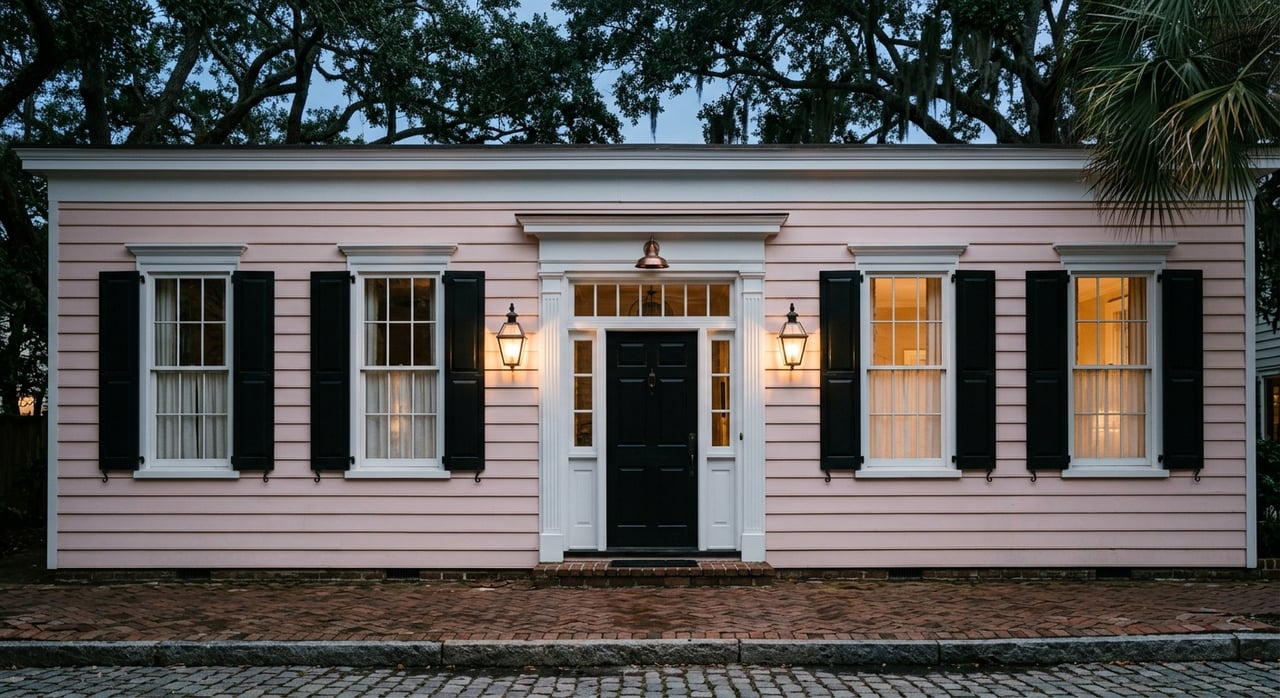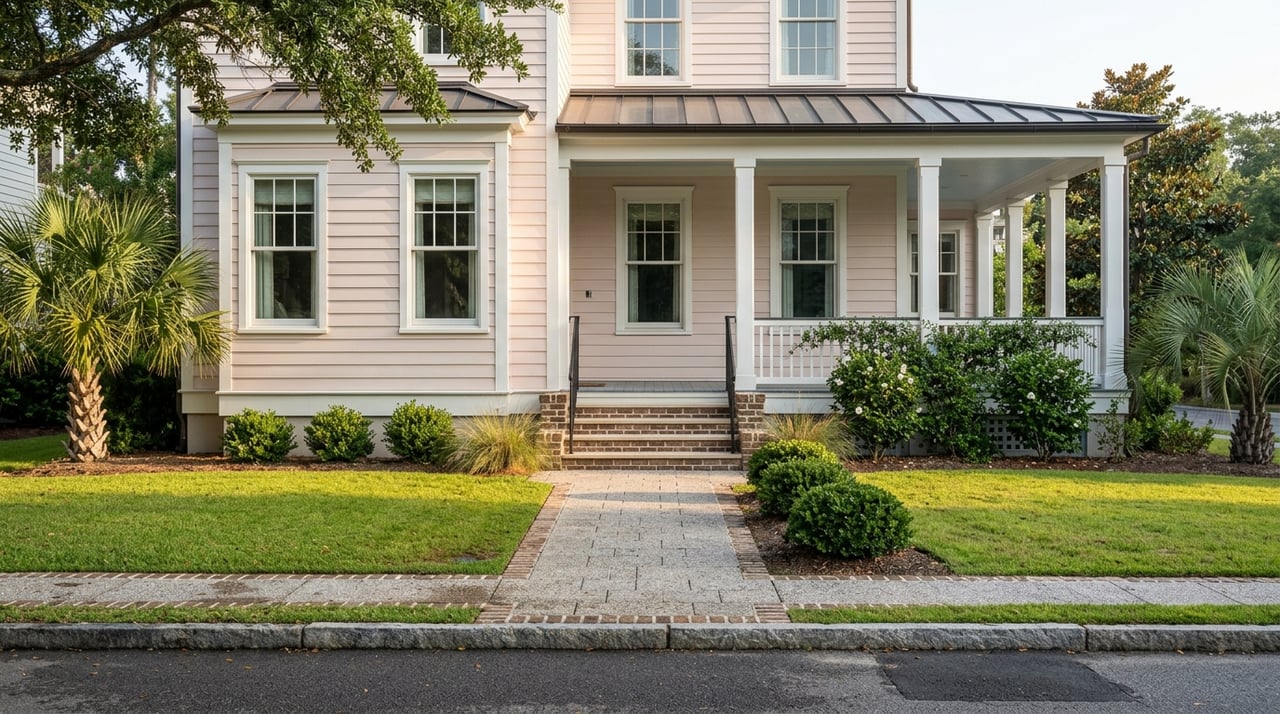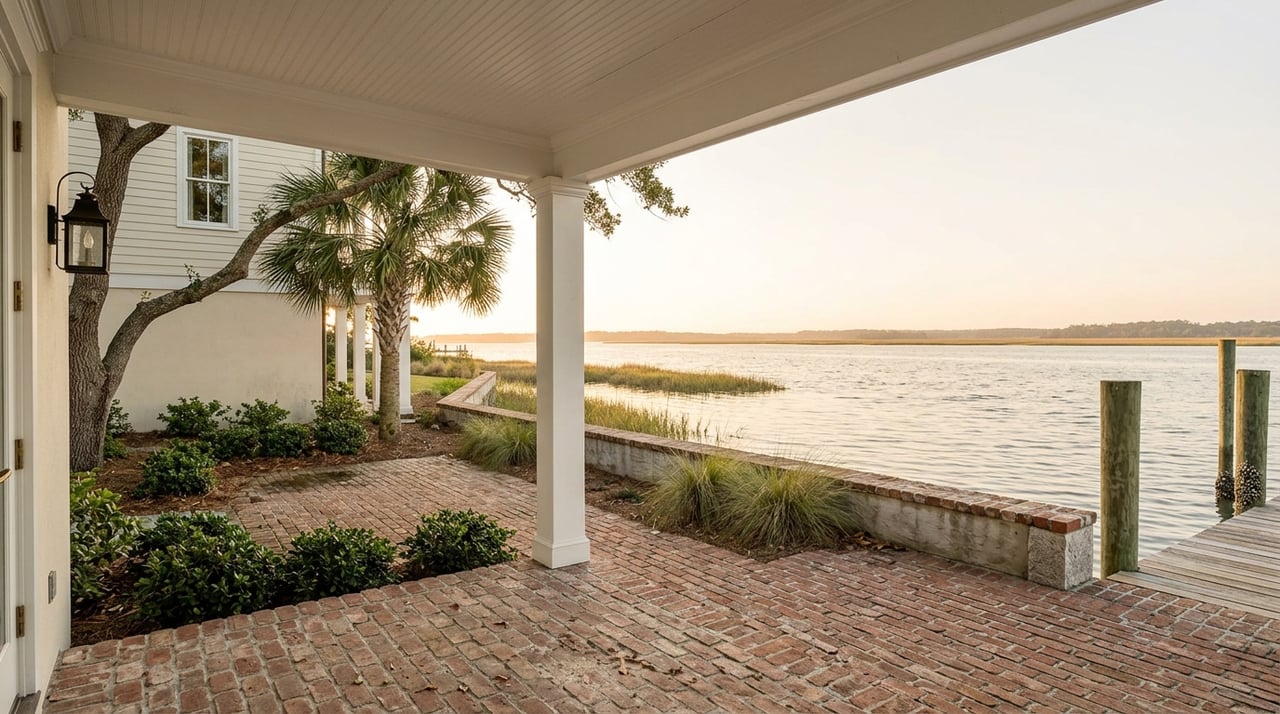
Dreaming about owning on one of Charleston’s barrier islands? The view is only part of the story. If you are considering a home on Sullivan’s Island, Isle of Palms, Folly Beach, Kiawah, or Seabrook, you need to know how each island actually lives day to day. This guide will help you understand the lifestyle, practical tradeoffs, and ownership patterns that shape life on Charleston’s coast. Let’s dive in.
Barrier island ownership feels different
Owning on Charleston’s barrier islands feels less like standard neighborhood living and more like stepping into a coastal routine. Your day may revolve around beach access, tides, bridge traffic, parking rules, weather planning, and time spent outdoors. That is true whether you are buying a full-time residence, a second home, or a legacy property.
These islands also sit in Charleston County’s immediate-coast evacuation area. That matters because it frames ownership in practical terms, not just lifestyle terms. When you own here, flood planning, storm readiness, and evacuation routes become part of the conversation early.
The islands offer very different lifestyles
Charleston’s barrier islands are not one market with one feel. Each island has a distinct rhythm, housing mix, and ownership experience. The right fit depends on whether you want a quiet residential setting, a lively public beach town, or a more private resort-style environment.
Sullivan’s Island feels most residential
Sullivan’s Island is often the best fit if you want a preserved coastal neighborhood feel. The town describes itself as a 3.5-mile barrier island near Charleston Harbor with a little over 2,000 residents, and its planning approach centers on maintaining residential character and historic protection.
Most of the island is developed as single-family residential. Beach rules also reinforce a quieter tone, including limits on commercial activity and motorized vehicles on beach paths or beaches. In everyday life, that creates a setting that feels more local and house-centered than resort-driven.
Daily routines here often include bike rides on local streets, beach walks, and use of the island’s nature-focused outdoor spaces. If you are looking for a primary residence, a legacy property, or a custom rebuild in a lower-density setting, Sullivan’s Island stands apart.
Isle of Palms offers the broadest mix
Isle of Palms blends beach living with a wider range of housing and resort infrastructure. The city describes it as both a residential community and a major vacation locale, with six miles of beaches, more than 50 beach access paths, a marina, and a public dock.
That broad setup gives you more flexibility than many other barrier-island options. Housing can range from condos and cottages to oceanfront homes, which makes Isle of Palms one of the more versatile choices for full-time owners, second-home buyers, and buyers who value a wider property mix.
In practical terms, everyday ownership here often includes managed parking, connector traffic, and more public beach activity than you will find on Sullivan’s Island. For many buyers, that is a fair trade for variety, access, and a well-developed coastal lifestyle.
Folly Beach has the most public energy
Folly Beach is the most active and public-facing of Charleston’s barrier islands. The city ties its identity to surfing, beach culture, wildlife, and community, and it is widely seen as Charleston’s most energetic beach town.
For owners, that means a more visible and rule-driven environment. Folly has detailed parking, beach access, dog, and seasonal beach-use regulations, along with public infrastructure like the pier, county park access, and multiple ADA-accessible beach entries.
Folly is also where ownership and rental conversations often overlap. The city distinguishes between owner-occupied and investor short-term rentals, and zoning includes both single-family and two-family residential standards. If you are drawn to an active beach-town setting, Folly can be compelling, but it rewards buyers who are comfortable with clear rules and a steady public presence.
Kiawah leans private and resort-oriented
Kiawah Island sits on the more private, polished end of the spectrum. Its setting includes ten miles of shoreline, along with marshes, lagoons, and maritime forest, and the ownership story is closely tied to resort and club-style living.
Property options include private homes, villas, cottages, homesites, and resort rentals. Ownership may connect with private venues, select beach access points, dining, recreation, and a managed island environment that feels very different from a public beach town.
If your goal is privacy, conservation-minded surroundings, and a resort-centered coastal experience, Kiawah often rises to the top. It tends to appeal to second-home buyers and those looking for a more secluded island rhythm.
Seabrook is quiet and club-centered
Seabrook Island is the most explicitly private and membership-driven option in this group. It is a gated oceanfront community with beaches, marshes, and an amenity structure built around golf, racquet sports, wellness, pools, dining, and an equestrian center.
The property mix includes homes, villas, cottages, townhomes, and homesites. Compared with more public islands like Folly Beach or Isle of Palms, Seabrook’s pace is quieter, with daily life centered more on the community’s internal amenities and natural setting.
For buyers who want a private coastal environment with a strong club component, Seabrook offers a very specific kind of ownership experience. It is less about public beach-town energy and more about managed, amenity-rich living.
Daily life is shaped by access and movement
One of the biggest surprises for buyers is how much beach access, parking, and bridge traffic affect the ownership experience. These are not minor details on Charleston’s barrier islands. They shape errands, guest visits, beach days, and how easily you can move between island life and the rest of the Charleston area.
Sullivan’s Island has two land access points and a bike-friendly layout. Isle of Palms uses managed parking and maintains traffic cameras. Folly Beach is known for tightly enforced parking rules. If you value convenience, these day-to-day realities matter just as much as architecture or water views.
Flood planning matters from day one
Because these islands are low-lying, flood risk and storm preparedness are part of ownership from the start. Isle of Palms notes that most of the island is in or near a flood plain. Folly Beach states that the entire city is in a flood hazard area. Sullivan’s Island advises buyers to understand flood zone status and keep an elevation certificate on file.
For you as a buyer, that means it is smart to evaluate flood zone information, elevation, insurance needs, and evacuation planning early in the process. On barrier islands, these are normal parts of informed ownership, not unusual red flags.
Downtown access varies by island
All of Charleston’s barrier islands feel connected to the broader region, but not in the same way. Folly Beach describes itself as the closest beach to historic Charleston. Isle of Palms notes that its marina is minutes from Charleston’s Historic District. Kiawah says Charleston is less than an hour away, while Sullivan’s Island and Seabrook each have their own access patterns and travel rhythms.
That means your ideal island may depend on how often you expect to move between beach life and downtown Charleston, Mount Pleasant, or other parts of the metro area. If quick in-and-out convenience matters, that should be part of your search from the beginning.
How to choose the right island
The simplest way to narrow your options is to start with the lifestyle you want most.
- Choose Sullivan’s Island if you want the most residential, house-centered setting.
- Choose Isle of Palms if you want the broadest mix of homes, beach access, and resort infrastructure.
- Choose Folly Beach if you want the most active public beach-town feel.
- Choose Kiawah if you want privacy, resort living, and a more secluded environment.
- Choose Seabrook if you want gated, club-centered ownership with a quiet daily rhythm.
For many buyers, the best decision comes from matching the island’s routine to your own. The home matters, but the island’s pace, rules, access, and ownership structure matter just as much.
If you are considering a purchase on Charleston’s barrier islands, working with someone who understands the differences between these coastal markets can help you avoid expensive mismatches and focus on the right fit. When you are ready to talk through island lifestyle, property type, and long-term ownership goals, connect with Jack Huguley.
FAQs
What is the most residential Charleston barrier island?
- Sullivan’s Island is generally the most residential and house-centered option, with planning focused on preserving residential character and historic protection.
Which Charleston barrier island has the widest range of home types?
- Isle of Palms offers one of the broadest housing mixes, including condos, cottages, and larger oceanfront homes.
What is it like to own at Folly Beach?
- Folly Beach ownership usually means a more active public beach-town setting, along with detailed rules around parking, beach access, dogs, and seasonal use.
Are Charleston barrier islands in flood-prone areas?
- Yes. Local sources note significant flood considerations across these islands, so buyers should review flood zone status, elevation, insurance needs, and evacuation planning early.
Which Charleston barrier islands feel the most private?
- Kiawah and Seabrook generally feel the most private, with ownership centered more on resort or club-style living than on a public beach-town environment.
Is downtown Charleston equally convenient from every barrier island?
- No. Each island has a different access pattern and travel rhythm, so convenience varies depending on where you buy and how often you plan to go on and off the island.