Thinking about trading long winters or inland living for salt air, warm weather, and weekends near the water? Charleston offers that coastal appeal, but it is not a one-note beach town. If you are considering a move, it helps to understand how Charleston really lives, how different parts of the city feel, and what practical details matter most before you buy. Let’s dive in.
Why Charleston attracts coastal relocations
Charleston gives you a coastal lifestyle with the scale of a real city. The latest Census estimate puts the city at 159,423 residents, which means you get more than just shoreline views and seasonal activity. You are moving into a market with established neighborhoods, daily commuting patterns, and a wide range of housing options.
That balance is a big reason so many relocation buyers look here. You can enjoy waterfront parks, beach access, and Lowcountry scenery while still having the services, culture, and infrastructure of a larger coastal market. For many buyers, that mix feels more livable year-round than a smaller resort town.
The city also supports everyday outdoor living. Charleston says it is responsible for more than 120 parks, including harborfront spaces, greenways, waterfront park areas, and trails on Daniel Island. That means your coastal lifestyle can include morning walks, bike rides, fishing access, and easy ways to spend time outside without needing to plan a full beach day.
What coastal living means in Charleston
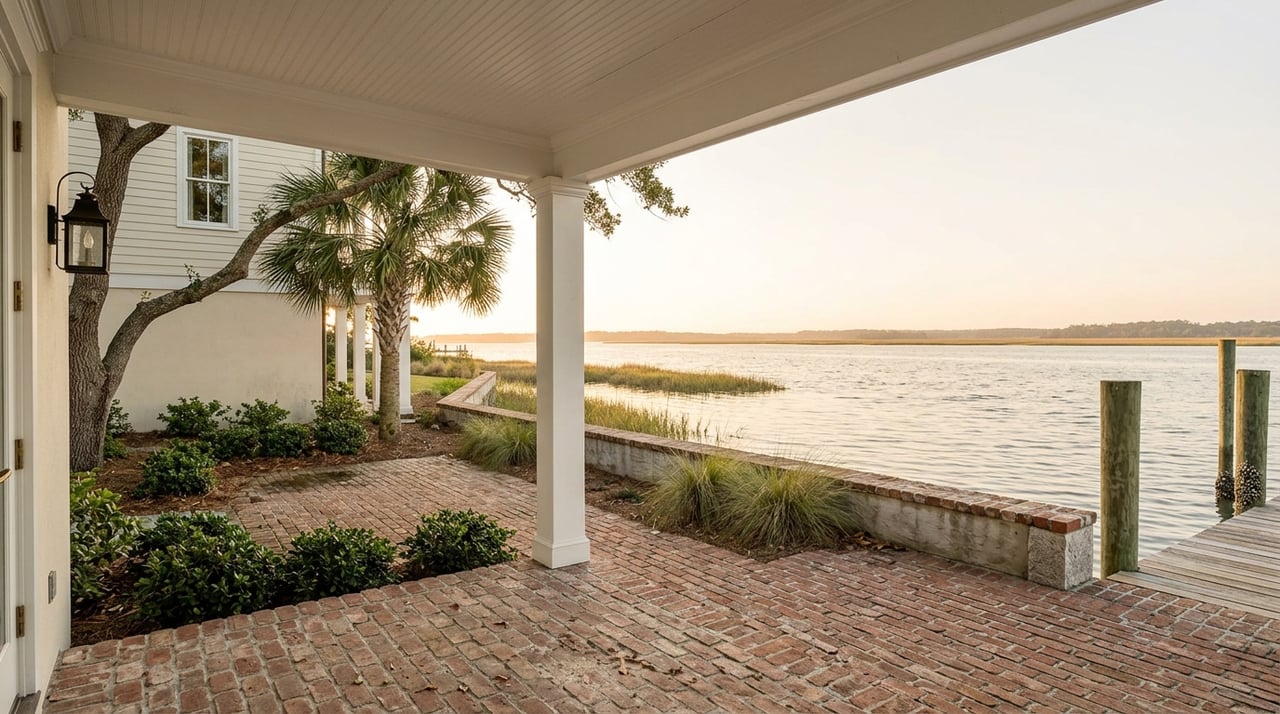
In Charleston, coastal living is about more than living directly on the beach. For some buyers, it means water views, boating access, or being close to the harbor. For others, it means quick access to parks, marsh scenery, island settings, or the option to reach the beach without living on a barrier island.
That distinction matters when you start your home search. Living near the coast can look very different depending on whether you want a historic setting, a more suburban layout, or a property with stronger ties to the water. Charleston offers all three, but not in the same way or at the same price point.
Beach access is also more practical than many buyers expect. Folly Beach provides rules, parking guidance, preservation information, and ADA beach-access points through the city, while CARTA runs the Beach Reach Shuttle between Mount Pleasant and Isle of Palms on weekends and holidays from Memorial Day through Labor Day. So even if you do not buy on a barrier island, the beach can still be part of your regular routine.
How Charleston neighborhoods shape your lifestyle
One of the most important things to know is that Charleston is really several housing experiences in one. The city’s preservation and planning framework separates the Lower and Mid-Peninsula, the Upper Peninsula and Neck, West Ashley, and the Sea Island landscapes of James and Johns Islands. For a relocating buyer, that helps explain why two homes with similar price points can deliver very different lifestyles.
Peninsula Charleston
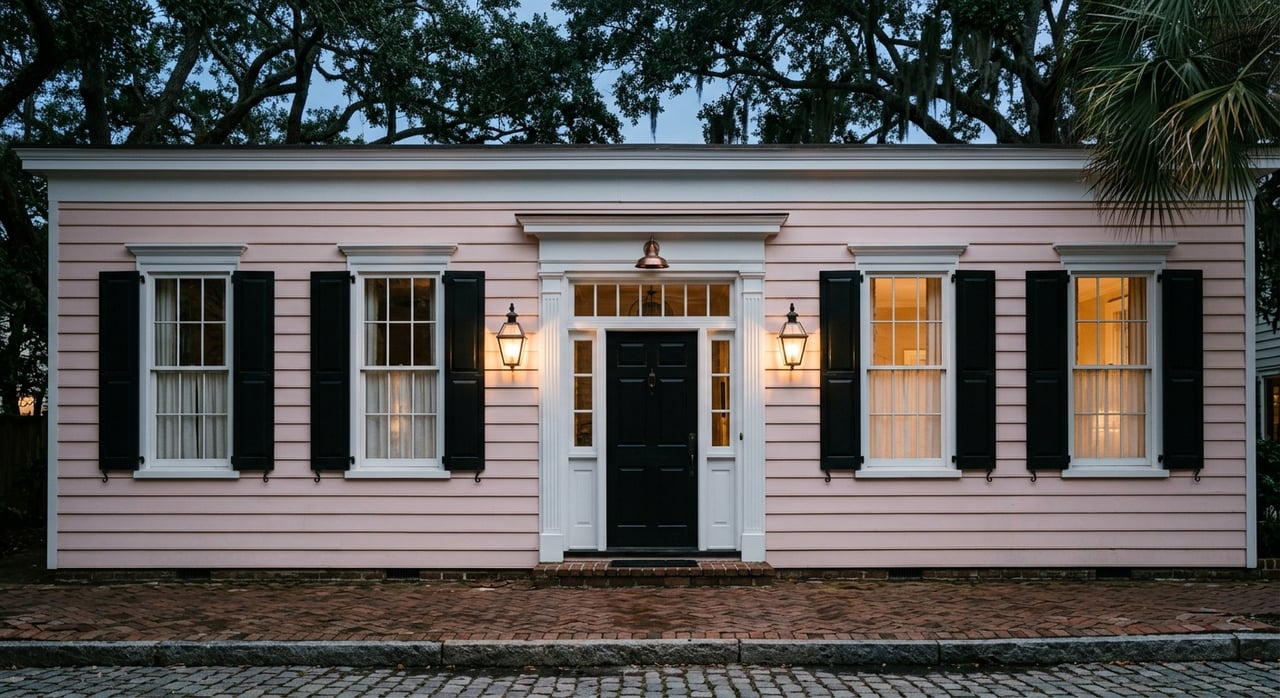
The Lower and Mid-Peninsula form Charleston’s historic core. This is where you will find much of the preserved urban fabric that gives the city its distinct character, including traditional forms like the Charleston single house, often set on narrow lots with piazzas.
If you want historic character, a more walkable setting, and close access to downtown amenities, the peninsula may feel like the Charleston you have imagined. At the same time, older housing stock, tighter lots, parking considerations, and flood diligence can all play a larger role here.
West Ashley
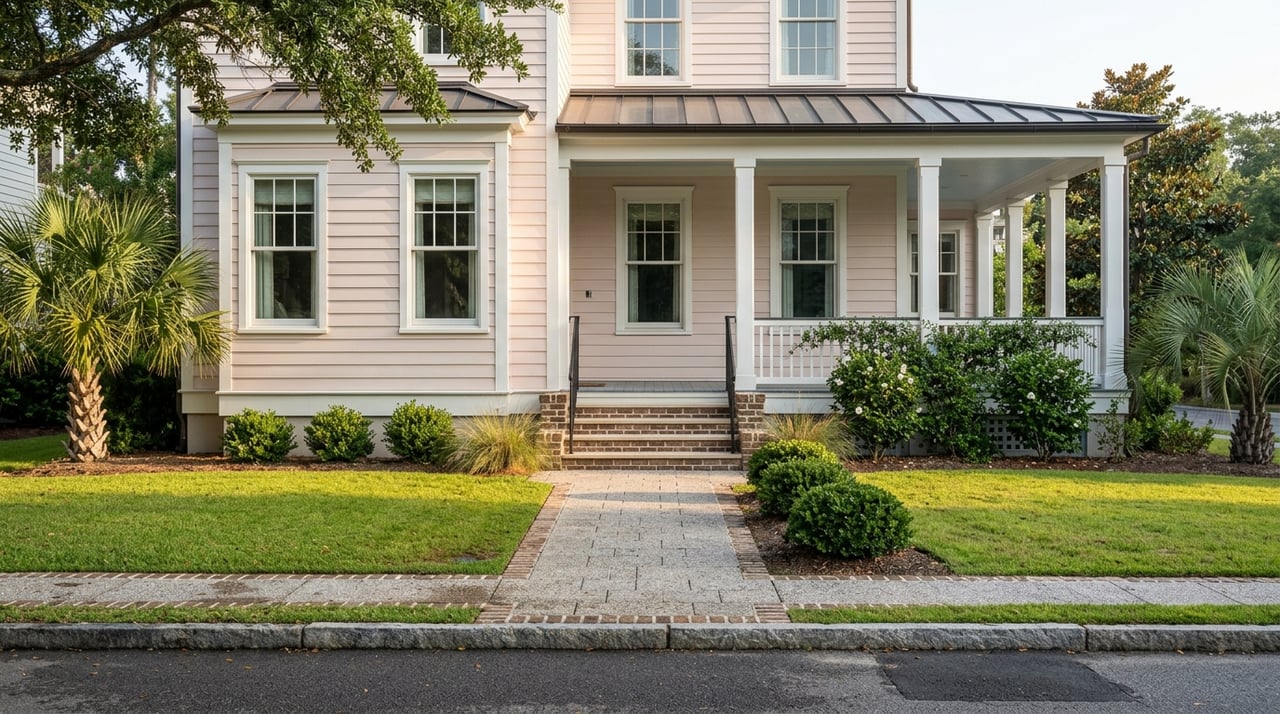
West Ashley reflects a different chapter of Charleston’s growth, with much of its development tied to the mid-20th century. Many relocation buyers look here when they want more of a suburban feel, different lot sizes, or a layout that may work better for daily driving and storage needs.
The West Ashley Greenway is a major quality-of-life feature in this area. The city describes it as an eight-mile linear park, and it connects into a broader path system linking neighborhoods, parks, historic sites, natural landmarks, and commercial areas. If biking, walking, or easy outdoor access matters to you, that can be a meaningful advantage.
James Island and Johns Island
James and Johns Islands bring a more island-oriented Lowcountry setting. The city’s planning framework identifies them as important Sea Island and Lowcountry landscapes, which gives these areas a distinct feel compared with the peninsula or more suburban inland neighborhoods.
These areas often appeal to buyers who want a little more room, a closer connection to water and marsh environments, or a quieter setting while staying tied to Charleston. Depending on your route and schedule, though, access and commuting patterns deserve close attention.
Daniel Island and other water-oriented areas
For buyers drawn to waterfront trails, fishing access, and planned outdoor amenities, Daniel Island stands out in the city’s parks framework. It offers a water-oriented lifestyle that may appeal if you want regular outdoor recreation built into your day-to-day routine.
More broadly, Charleston buyers often compare peninsula homes, suburban-style neighborhoods, and island settings based on what matters most to them. Your priorities might include walkability, yard space, parking, water access, or ease of getting around. In Charleston, those tradeoffs are often neighborhood-driven.
Climate and day-to-day expectations
Charleston’s weather supports outdoor living for much of the year, but it comes with real coastal conditions. NOAA’s 1991 to 2020 normals for Charleston show an annual mean temperature of 67.2 degrees, with summer mean highs in the upper 80s and winter mean highs around 58 to 61 degrees.
That sounds appealing to many relocation buyers, especially those coming from colder climates. Still, the bigger adjustment is usually not winter. It is heat, humidity, and rain.
Annual precipitation totals 44.26 inches, and snow is negligible in the normals data. In practical terms, that means you should think about shade, outdoor storage, drainage, and how you want to use porches, patios, and outdoor spaces in warmer, wetter conditions.
Why commute planning matters more here
Charleston can look compact on a map, but daily movement is often bridge-dependent. The city notes that the peninsula and James Island are separated by the Ashley River and connected by only two bridge crossings, while Folly Road is the major route linking James Island to West Ashley and Folly Beach.
The Arthur Ravenel Jr. Bridge connects Charleston to Mount Pleasant, and the city’s traffic management center monitors bridges and interstates to help manage congestion. For relocation buyers, the takeaway is simple: a short map distance does not always mean an easy drive.
Charleston is still largely a driving-first market. CARTA serves the region with public transportation, including downtown DASH service, Park & Ride lots, live trip tools, and buses equipped with bike racks, and the agency reports more than 4 million annual riders. That can be helpful for selected trips, but most buyers should still choose a location with their most common drives in mind.
Coastal homeownership comes with flood planning
If you are relocating to Charleston for a coastal lifestyle, flood diligence should be part of your search from the beginning. The City of Charleston says flooding can occur even outside mapped FEMA flood zones because of drainage, sea-level rise, and other hazards. The city also reports about 13 inches of sea-level rise over the past 100 years based on NOAA tide-gauge data.
In Special Flood Hazard Areas, the city requires permits and current flood design compliance. It also notes that AE and VE zones are high-hazard flood zones where flood insurance purchase requirements apply. That makes flood review an early-stage decision point, not just a final paperwork item.
For you as a buyer, this affects more than insurance. It can influence renovation possibilities, elevation concerns, ongoing ownership costs, and the long-term fit of a property. This is especially important if you are considering a historic home, a waterfront property, or any home where drainage and site conditions may shape future maintenance.
What out-of-state buyers should know
South Carolina handles closings differently than some other states. The South Carolina Bar states that the legal aspects of a real estate transaction must be supervised by a licensed South Carolina attorney.
That is helpful for relocation buyers because the process can still be flexible. The same guidance says a closing can be handled by mail if the attorney remains in competent control, supervises all aspects of the transaction, and maintains reasonable communication with the client. There is no legal requirement that you physically attend the closing.
State disclosure rules matter too. South Carolina requires owners of residential real property to provide a completed Residential Property Condition Disclosure Statement before a contract is formed, and the form makes clear that it is not a substitute for inspections or legal advice.
For Charleston buyers, that disclosure is especially useful because it covers issues that often matter here, including water and sewer, roofs, foundations, mechanical systems, zoning, easements, HOA governance, and rental or vacation-rental arrangements. Reviewing those items early can help you avoid surprises later.
Budgeting for the Charleston move
Charleston’s housing numbers help explain why many relocation buyers need to narrow their options quickly. Census data shows a median owner-occupied home value of $509,700, a median monthly owner cost of $2,253 with a mortgage, and a median gross rent of $1,722.
The same data shows a median household income of $92,414 and a mean travel time to work of 24.2 minutes. Those figures do not define your personal budget, but they do give useful context for how the city functions. In practice, price, location, flood considerations, and commute patterns often need to be weighed together.
That is especially true in a market where lifestyle categories overlap. A home with historic character may ask for tradeoffs in parking or maintenance. A more suburban setting may offer a different kind of convenience. A water-oriented property may deliver the lifestyle you want, but also require a deeper look at insurance, access, and long-term ownership details.
How to narrow your search wisely
If you are relocating to Charleston, start by defining your version of coastal living. That sounds simple, but it is often the step that saves buyers the most time and stress.
Ask yourself:
- Do you want historic character or a more modern layout?
- Is beach access more important than living on the beach?
- Do you want walkability, yard space, or water access?
- How often will you need to cross a bridge for work or daily errands?
- Are you comfortable with the flood diligence tied to certain locations or property types?
Once those answers are clear, your search becomes much more focused. Charleston is not one uniform market, and the best-fit home usually comes from matching your daily lifestyle goals with the right part of the city.
A move to Charleston can be exciting, but it works best when you approach it with local context and a disciplined plan. If you want experienced guidance on neighborhoods, waterfront and island properties, historic homes, or the details that shape a relocation purchase, Jack Huguley can help you evaluate your options and move forward with confidence.
FAQs
What is Charleston, SC like for coastal living?
- Charleston offers a coastal lifestyle with city-scale amenities, more than 120 parks, waterfront recreation, beach access options, and several distinct living environments including historic downtown, suburban areas, and island settings.
What should buyers know about flood risk in Charleston?
- The City of Charleston says flooding can occur even outside mapped FEMA flood zones, and homes in Special Flood Hazard Areas may have permit, design-compliance, and flood-insurance considerations that should be reviewed early.
How does commuting work in Charleston for new residents?
- Charleston is largely a driving-first market, and commute times can be shaped by bridge crossings, major routes like Folly Road, and traffic patterns that make map distance less useful than route planning.
Can out-of-state buyers close on a Charleston home remotely?
- Yes. The South Carolina Bar says real estate closings must be supervised by a licensed South Carolina attorney, and a closing can be handled by mail if the attorney maintains proper supervision and communication.
What kinds of homes can relocation buyers find in Charleston?
- Buyers often compare historic peninsula homes, more suburban options in West Ashley, and water-oriented or island settings on James Island, Johns Island, and Daniel Island depending on lifestyle goals and budget.
Is Charleston a small beach town or a larger city?
- Charleston is a larger coastal city, with a Census estimate of 159,423 residents, so you get beach and waterfront access along with the housing variety, commuting patterns, and daily infrastructure of a substantial market.